POLYMORPHA ARTIFICIALIS II
Assimilation
Experiment Report
08.02.25: I am resuming the experiment where it left off, with the same prompt and the same training base. My objective is to find a point where the prompt and the training will autonomously generate complex and diverse organisms.
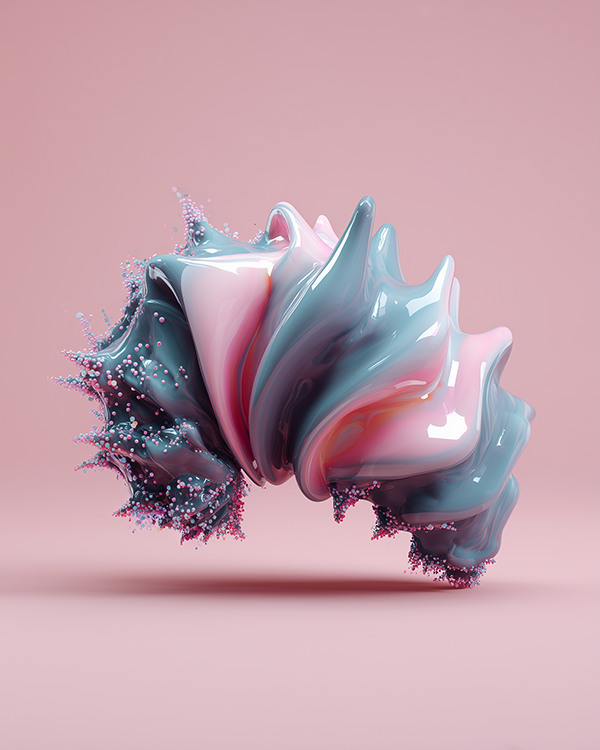
Protocol:Unsurprisingly, in continuation of the first experiment, the iterations produce fairly varied organisms but remain within the realm of mollusks, larvae, and shells.
I could endlessly repeat the generations hoping to see anomalies emerge, but I choose to speed up the process by intervening on the prompt.
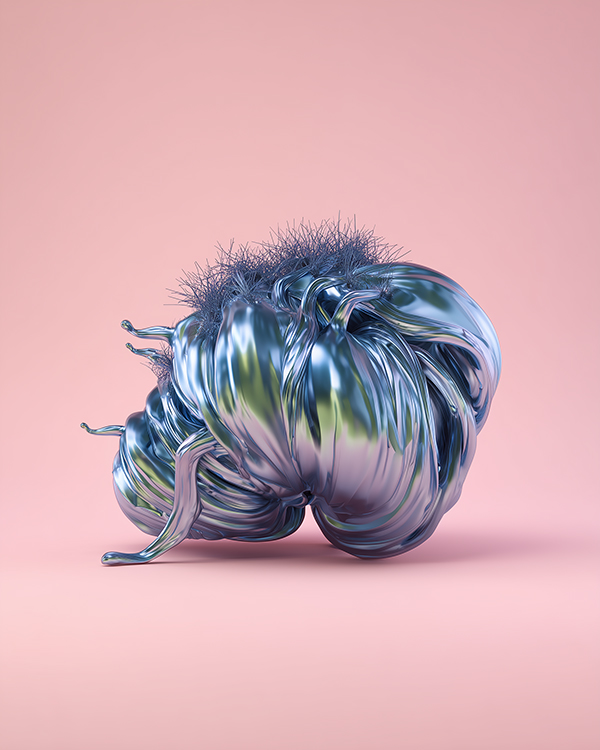
Added animal and plant traits to the prompt: hairs, folds, spines, cuticles, membranes, striations, cartilage, etc. Development is immediate; while retaining its mollusk-like features, the organism develops new textures.
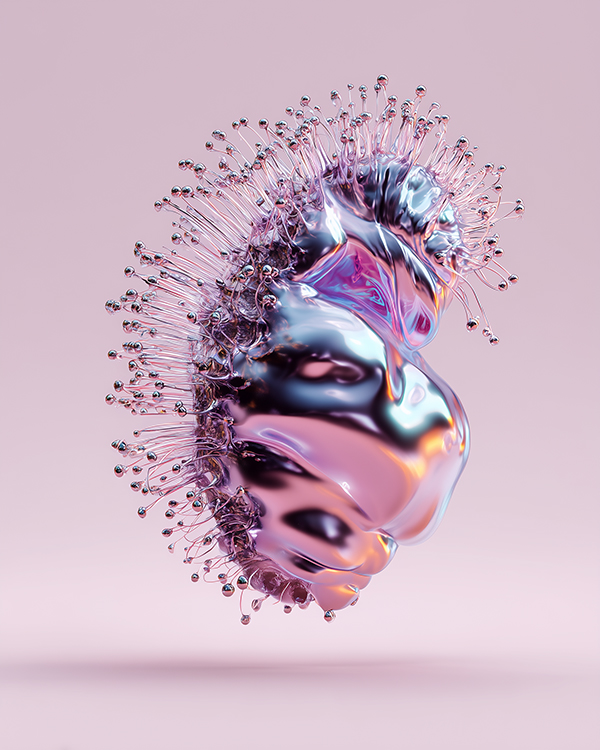
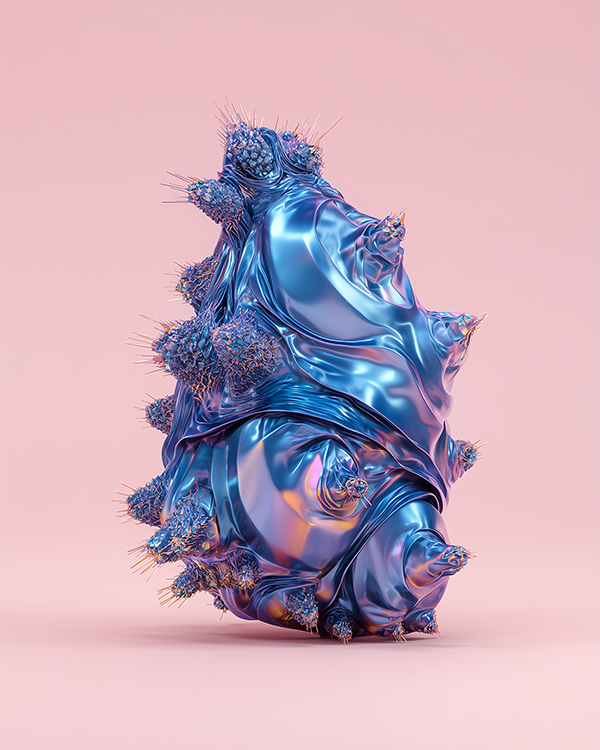

From the first iterations, one can quickly observe evolutionary phenomena. The organisms transition from simple larval forms to shapes close to insects.
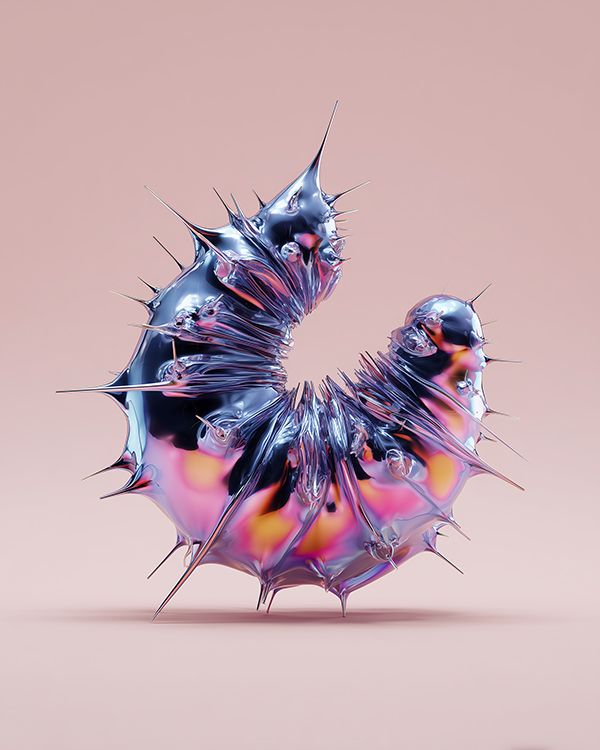
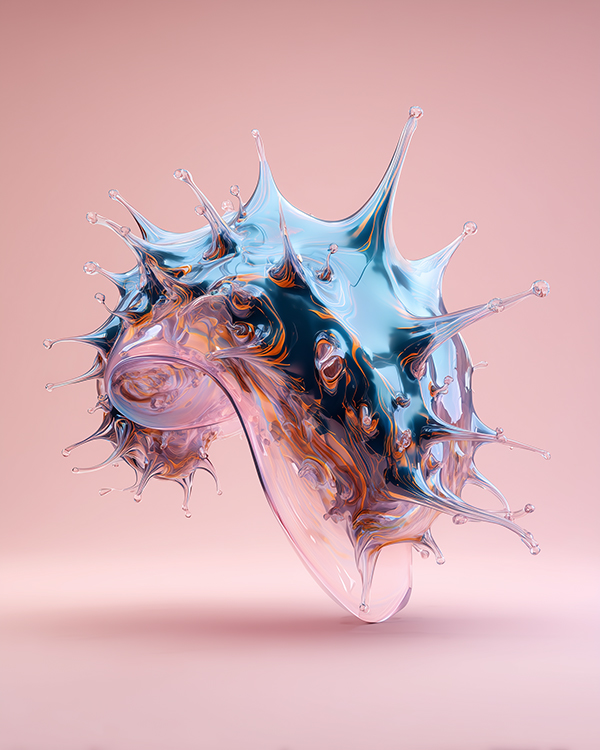
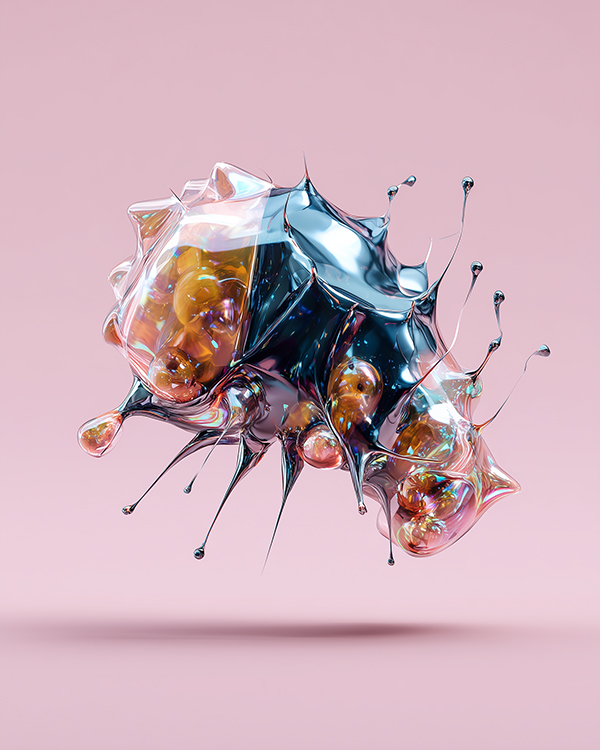
The organisms display animal, plant, and fungal traits, with many hybridizations.
The training base grows very quickly; I didn’t expect such diversity from a single prompt modification. I’ll try to classify them to study them more closely.
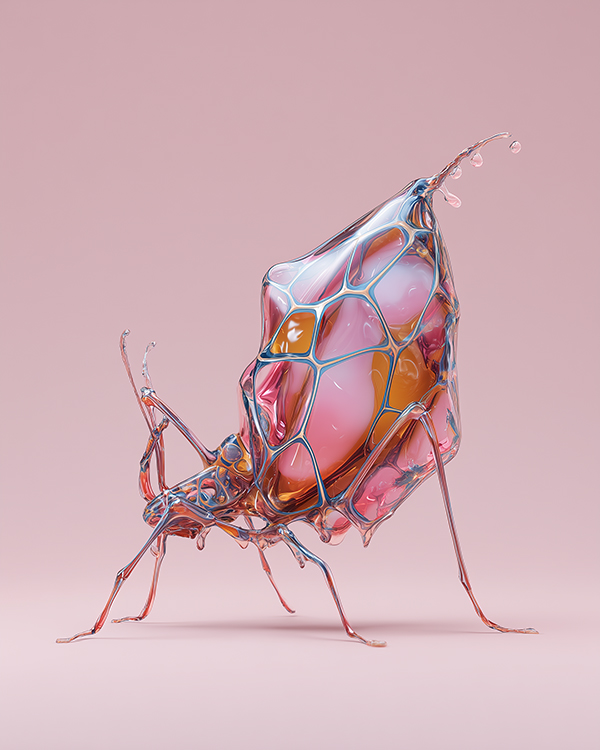
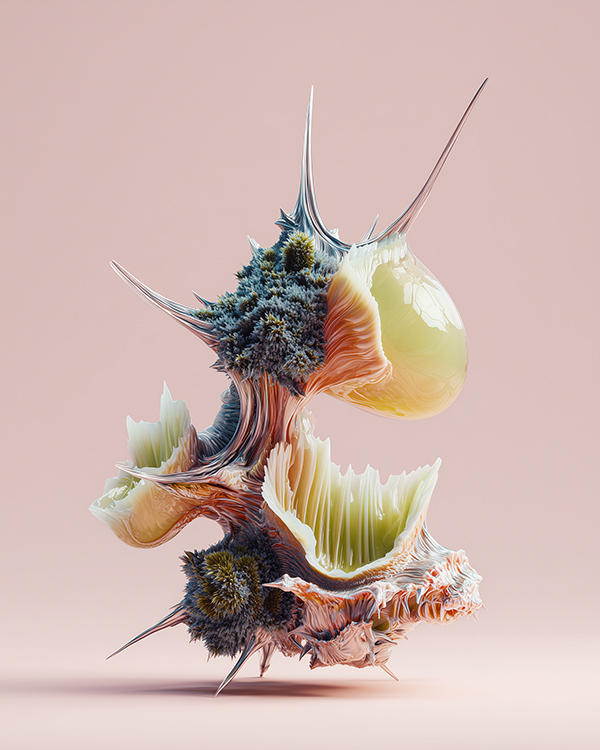
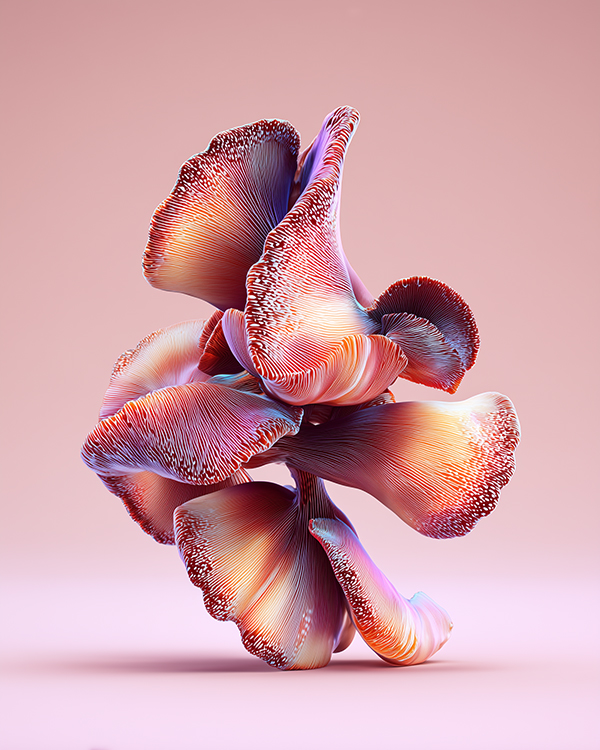
The evolutions are largely animal in nature, including terrestrial, aerial, and aquatic organisms.
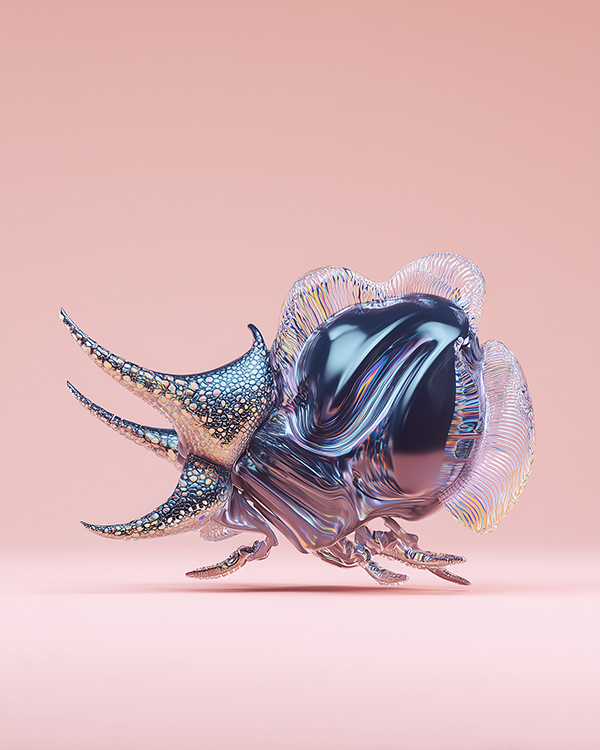
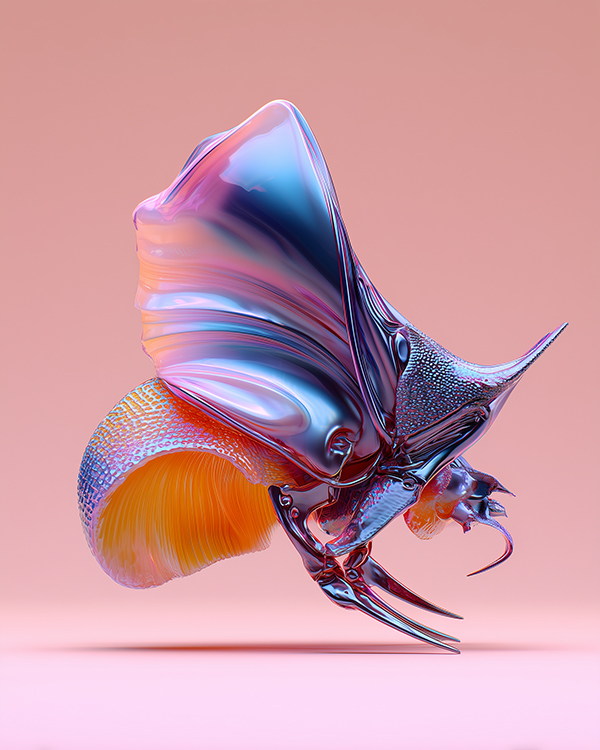
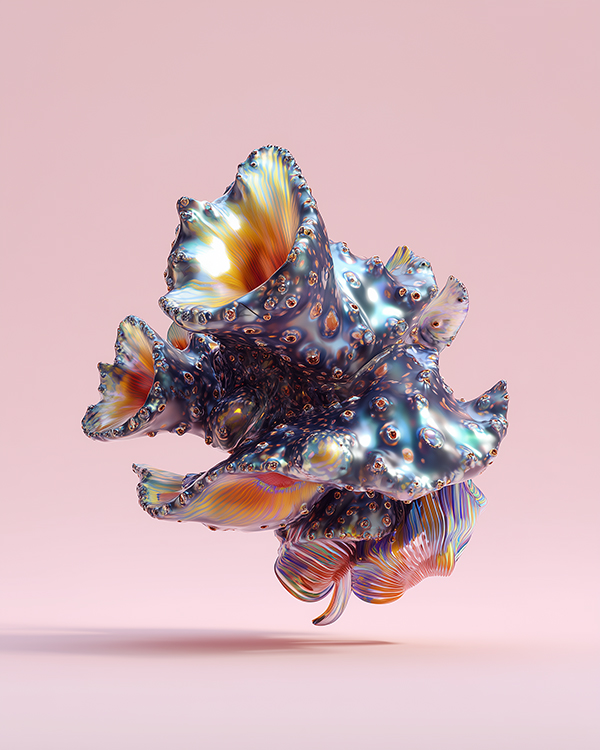
Among aquatic organisms, I notice a strong recurrence of the cnidarian type (radial structure, gelatinous body, tentacles).
The assimilation of new traits is complete, and the prompt is now stable. I attempted a few minor modifications to emphasize certain features (fungal, fish-like, etc.) but with little effect.
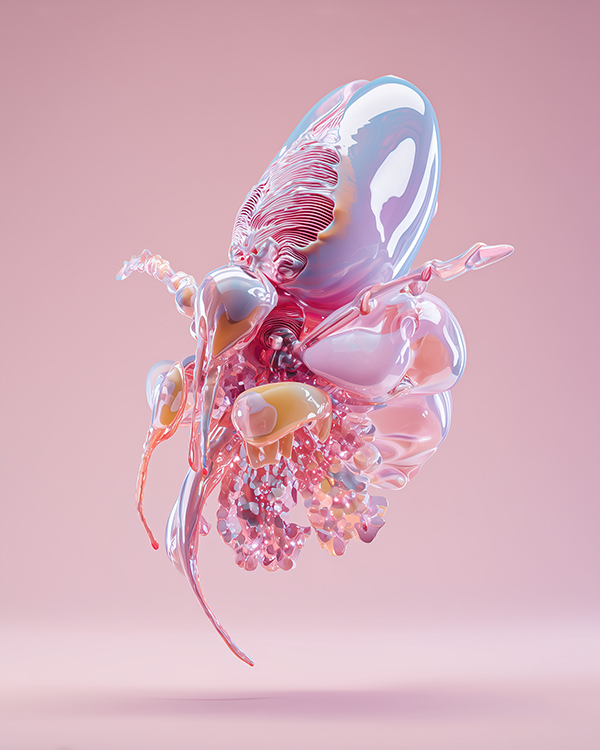
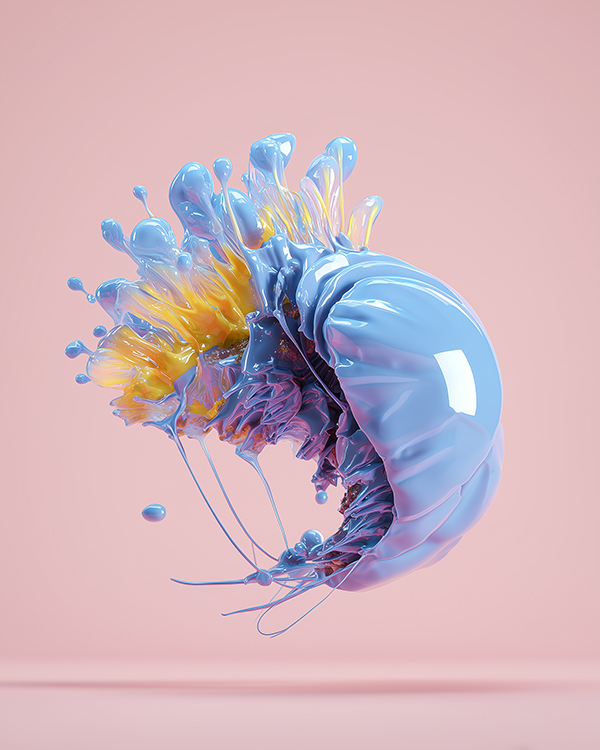
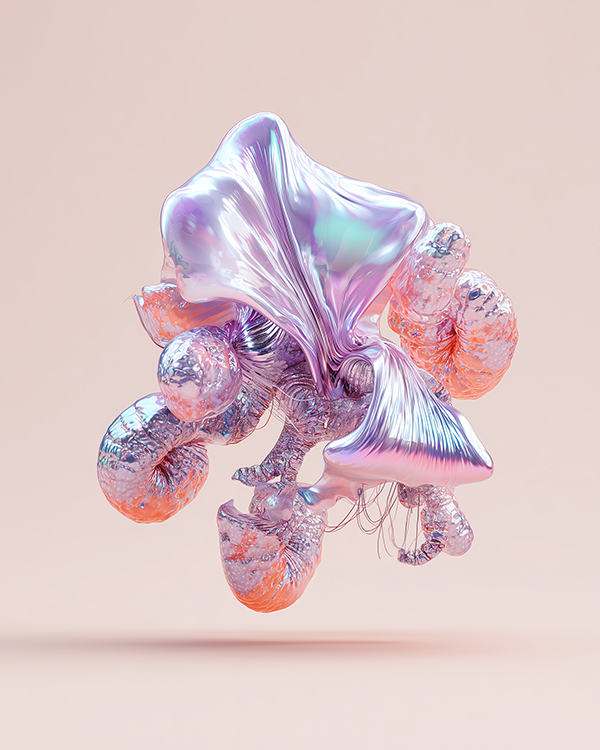
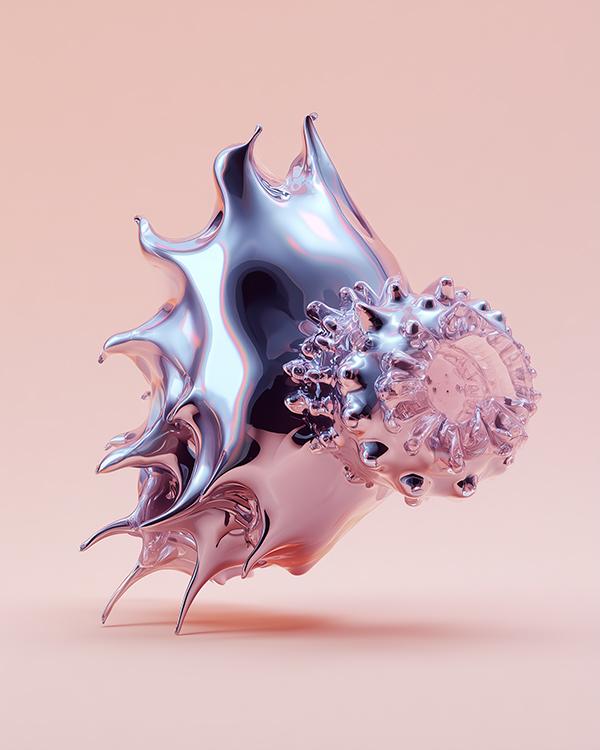
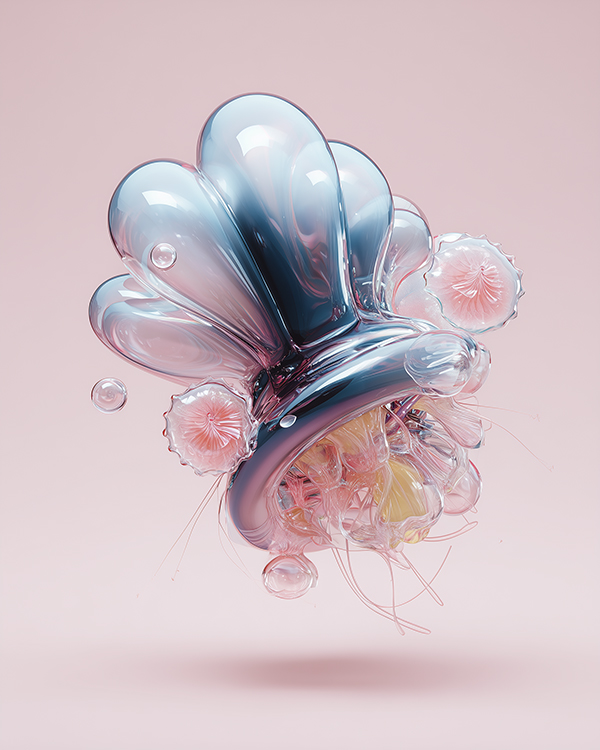
This one stands out, however, due to what appears to be the presence of a vertebral column.
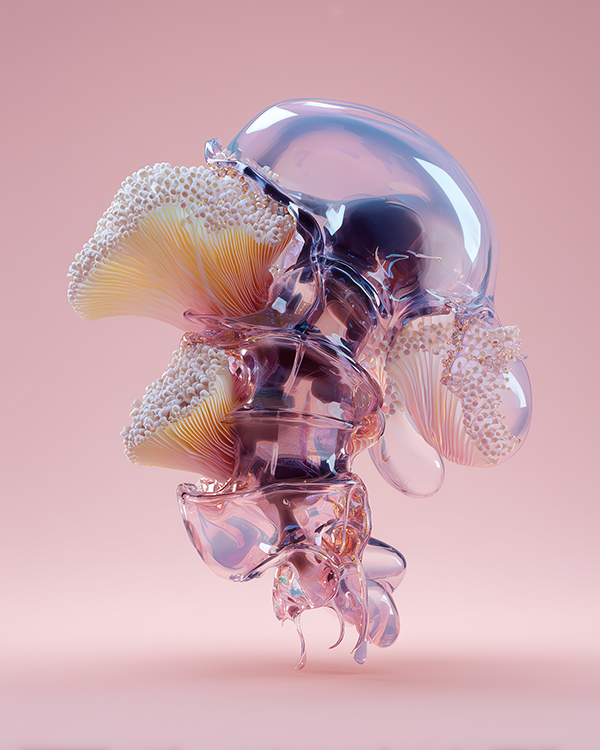
Mollusks, with or without shells, are also very present among marine animals.
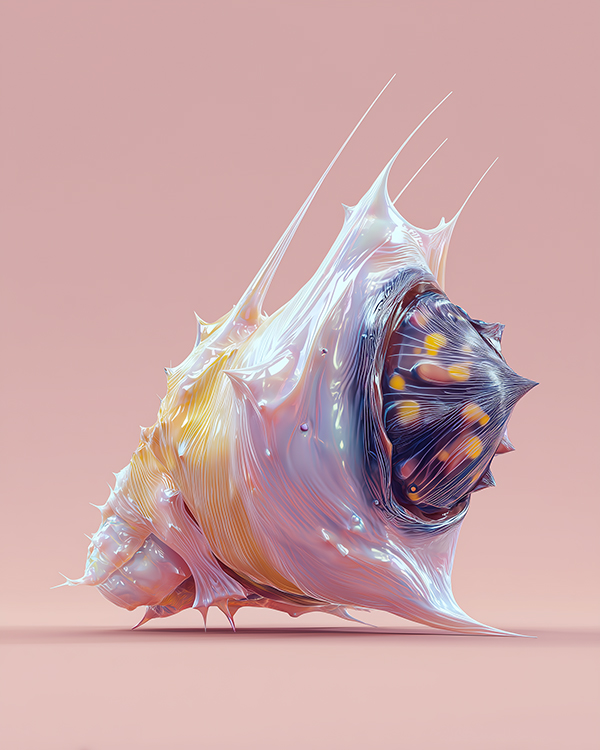
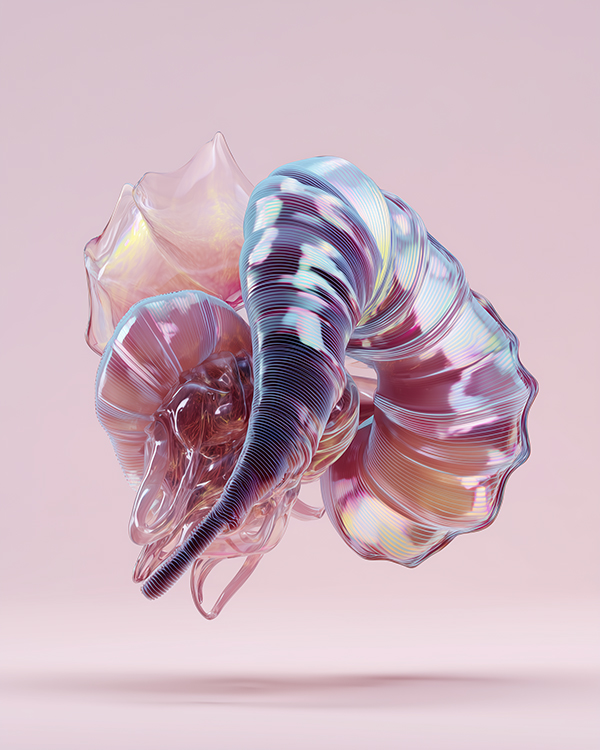
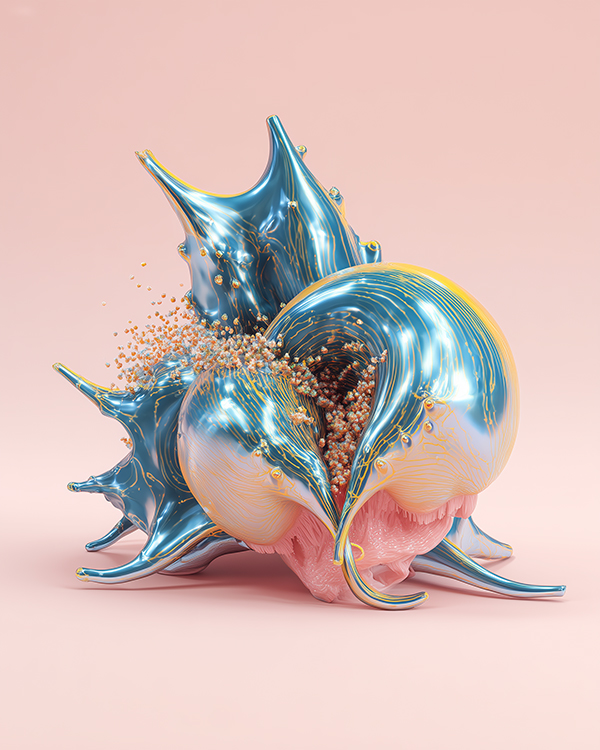
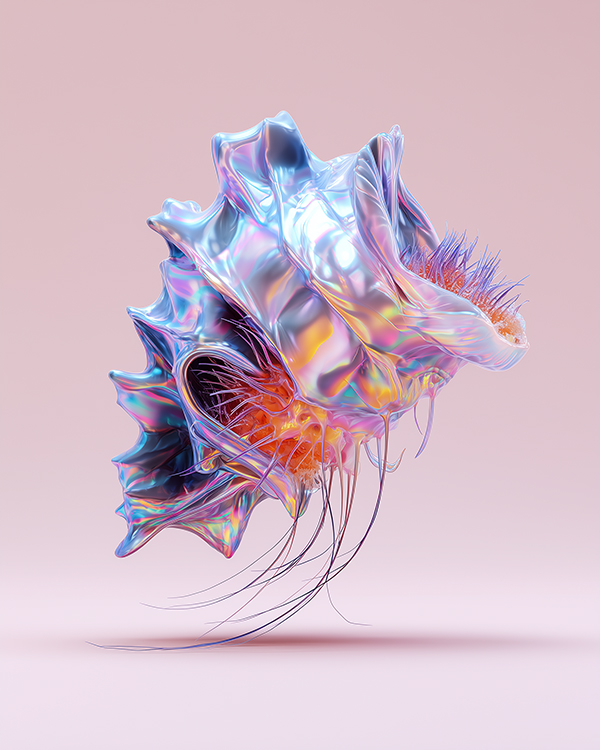

Although they are relatively minor in the natural world — compared to insects, for instance — crustaceans are particularly well represented here (exoskeletons, jointed legs, antennae, gills).
The training base now includes nearly 500 organisms, compared to barely 100 at the start.
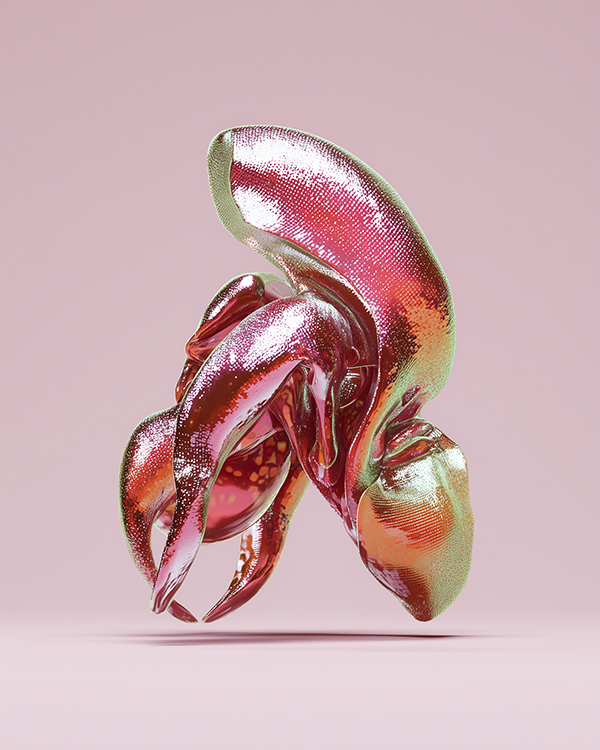
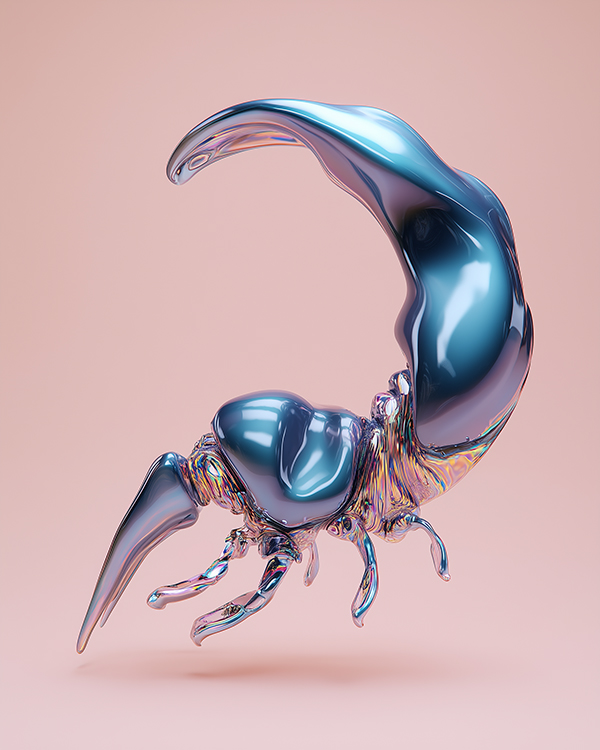
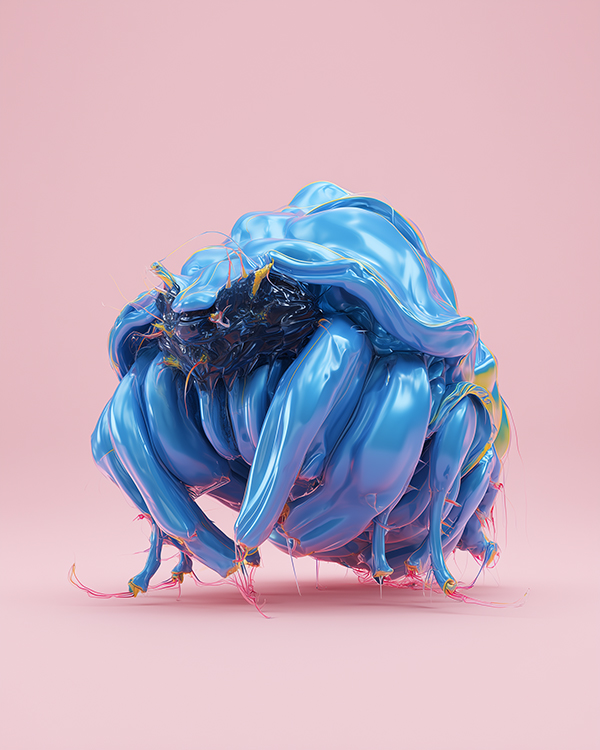
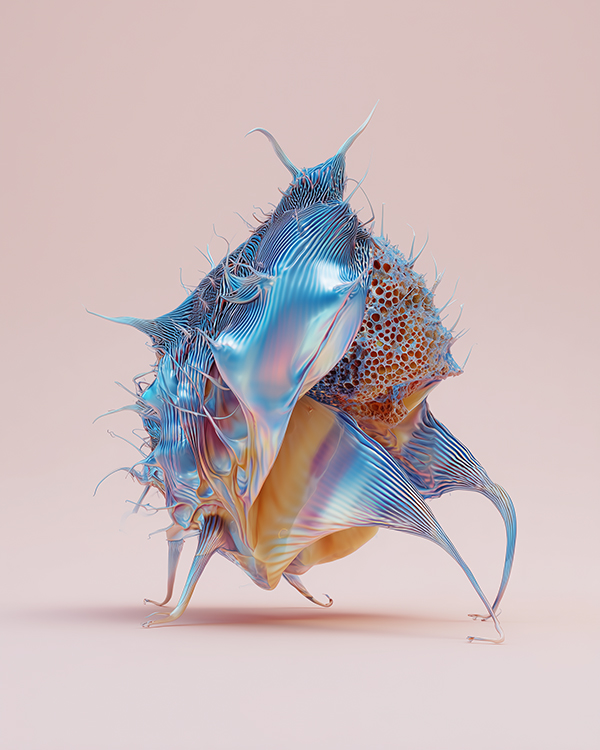
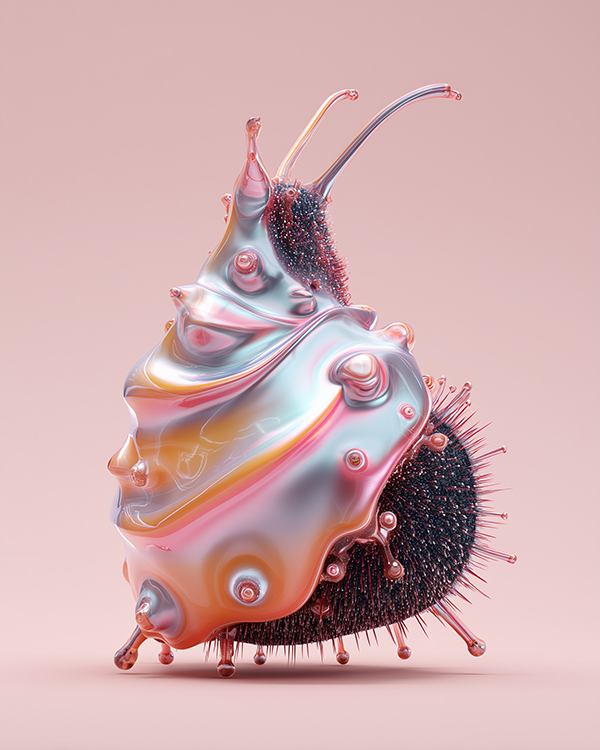
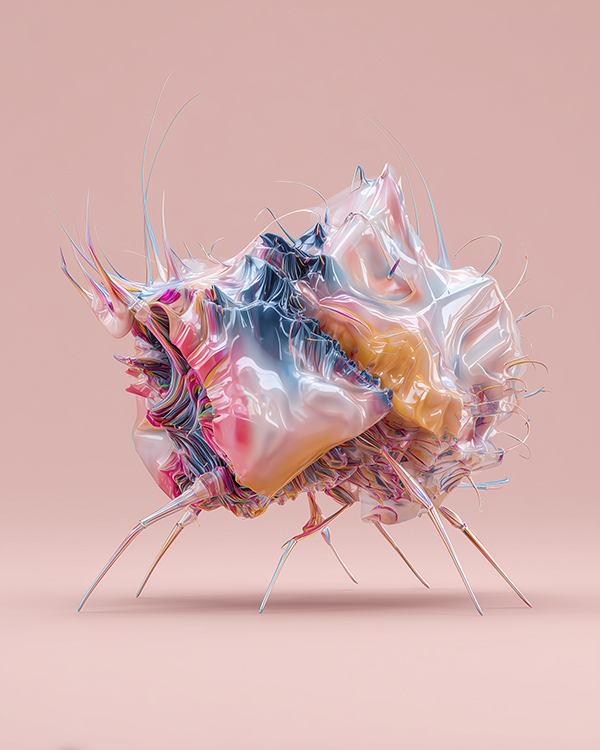
Some terrestrial organisms seem more like larval stages than fully formed species.
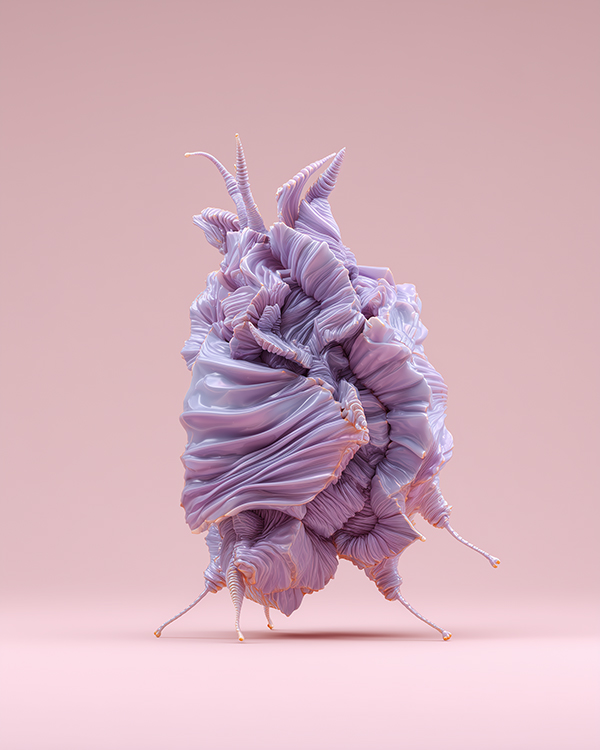
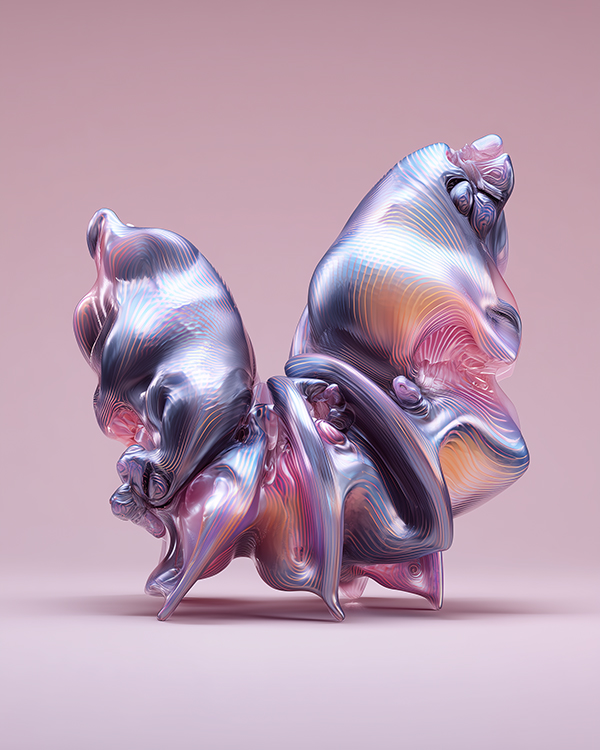
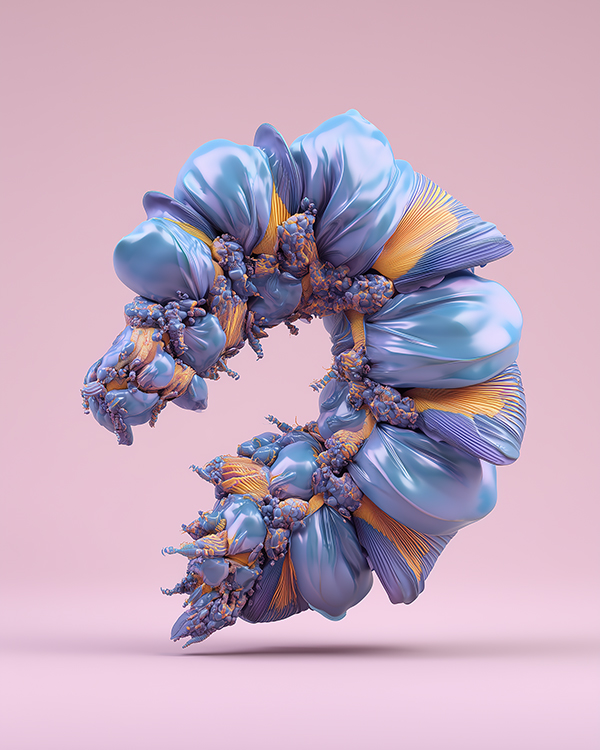
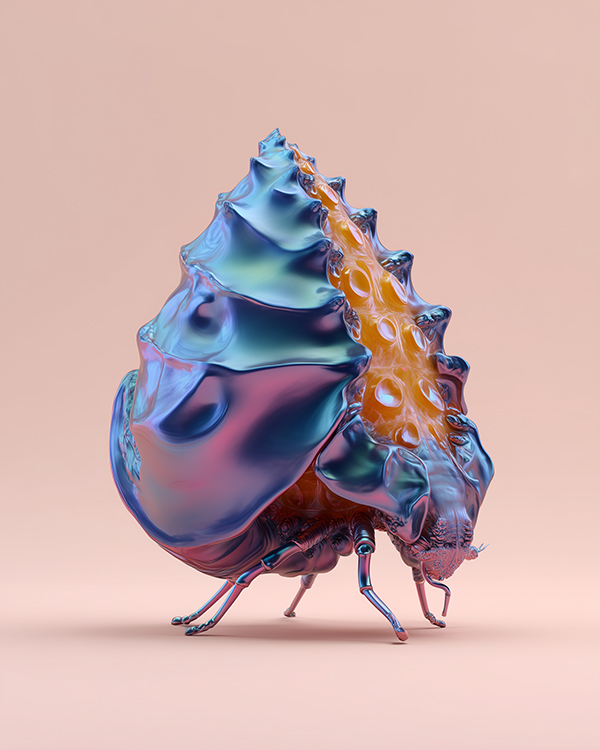
Among the developments are some examples of aerial organisms that could resemble insects, with segmented bodies, but made mostly of fine membranous tissue.
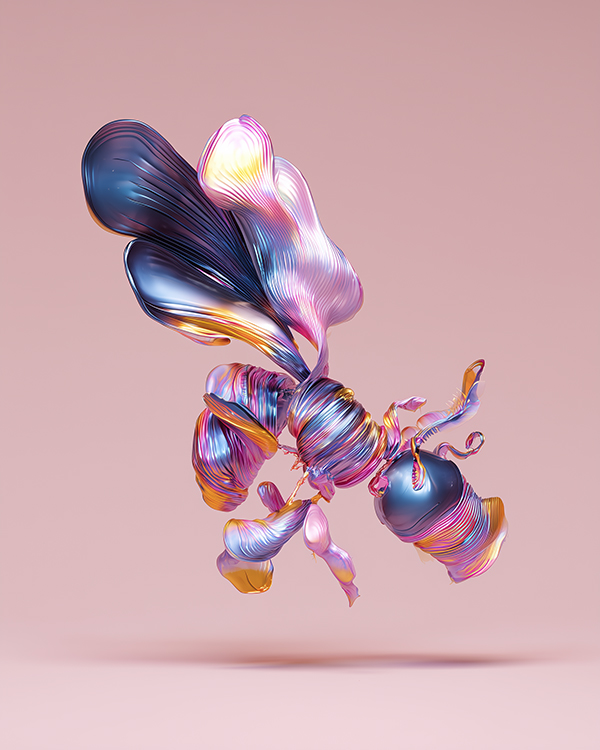
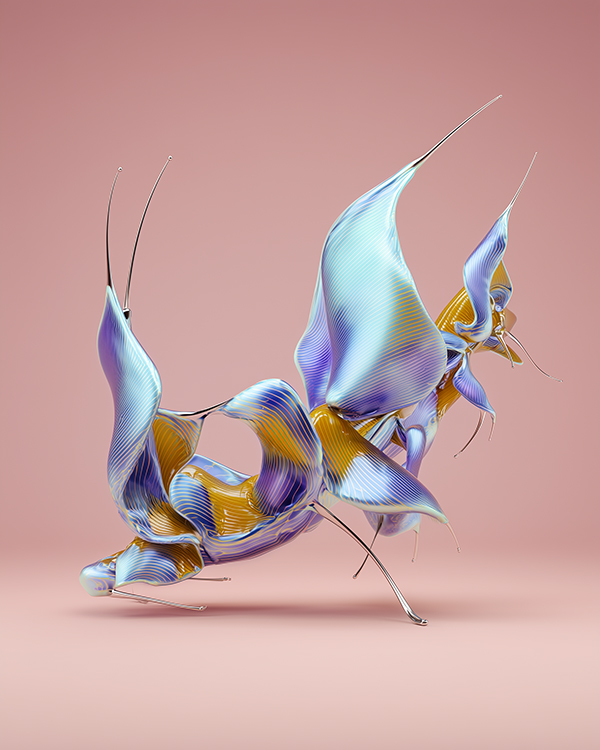
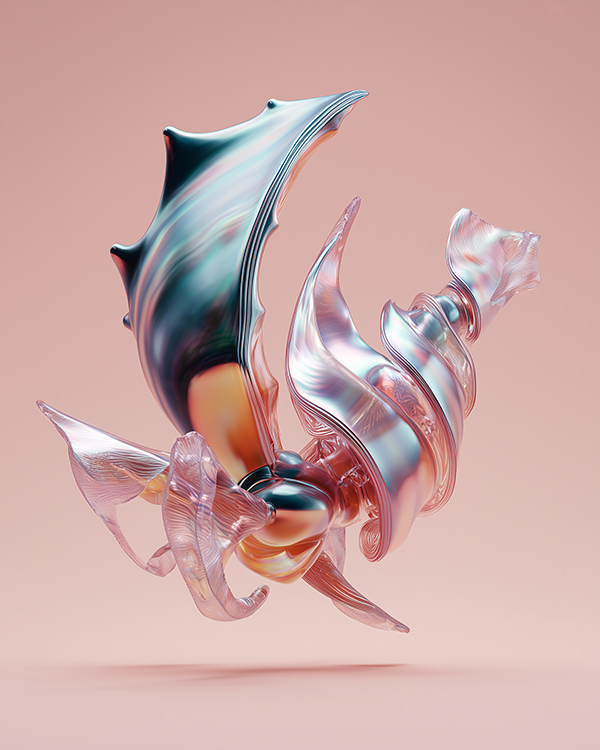
Several terrestrial organisms are also segmented, but into more than three parts — which could suggest larval forms — yet their level of development places them more in the insect category.
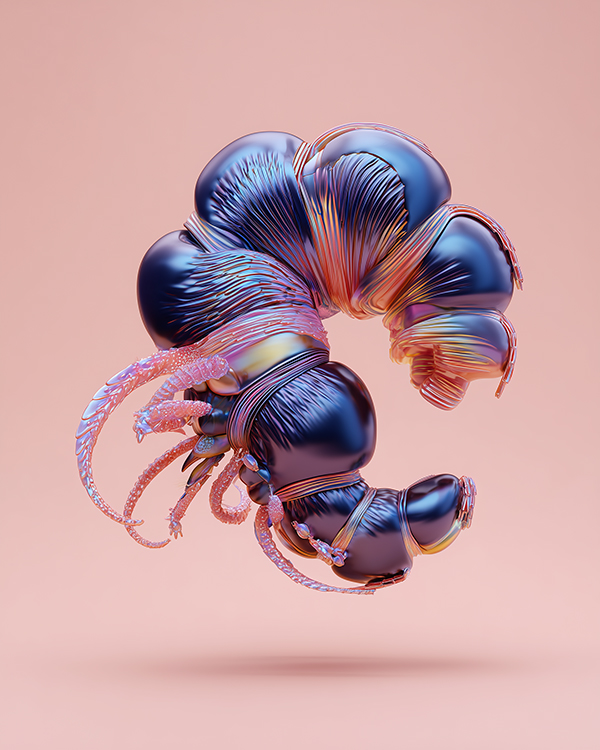
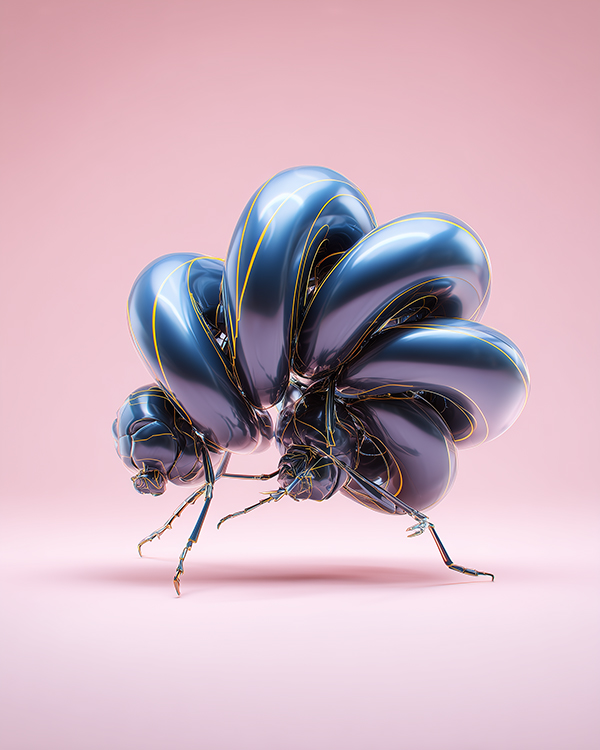
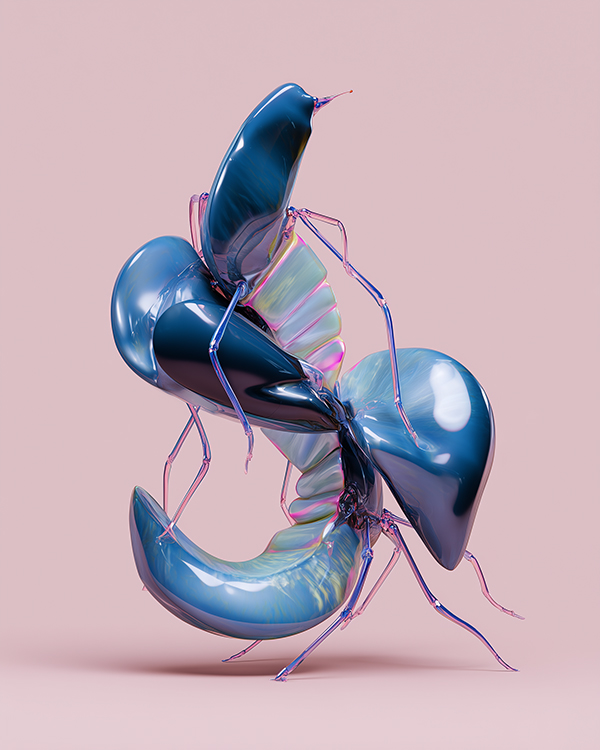
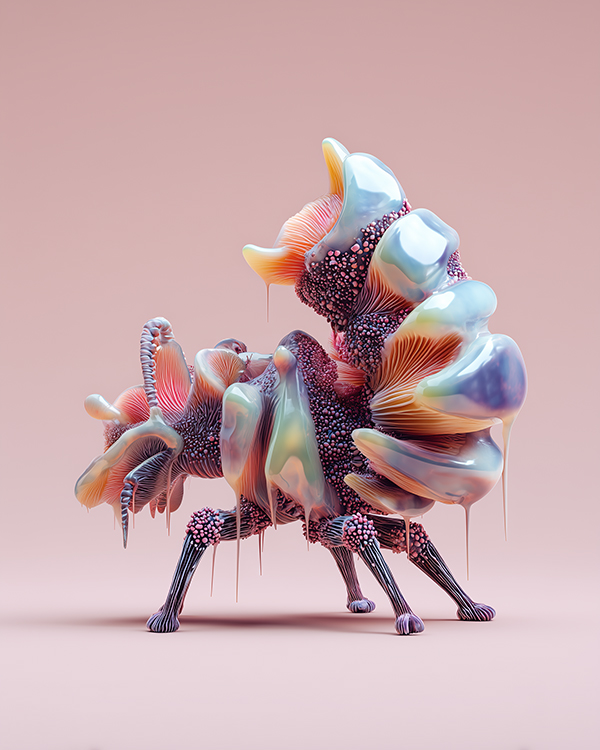
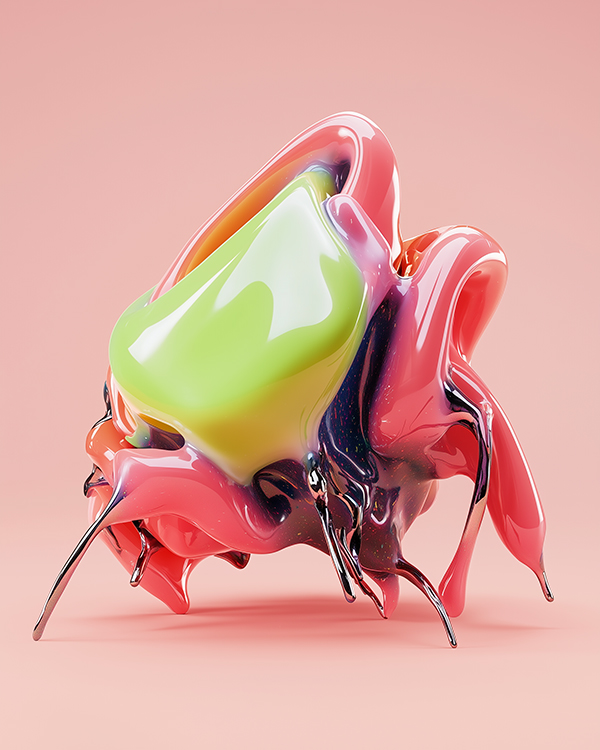
Plant-like evolutions are not rare, with frequent hybridizations (tentacles, shell, cartilage).
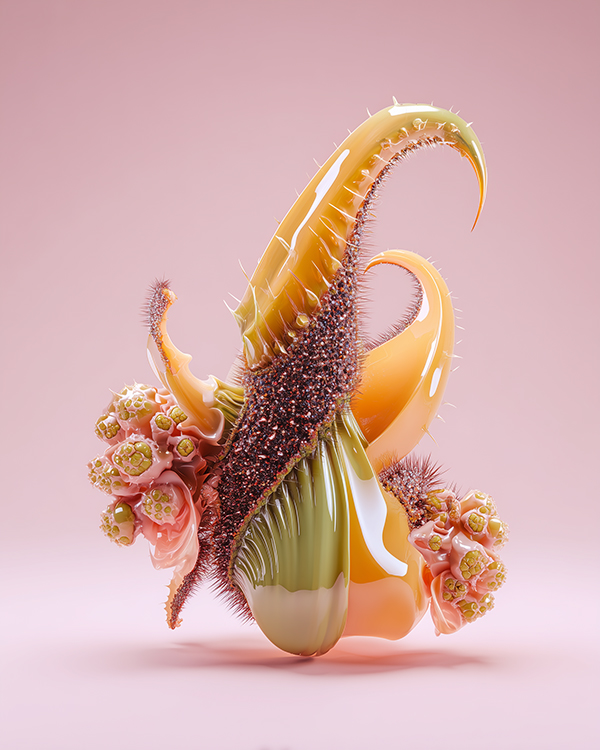
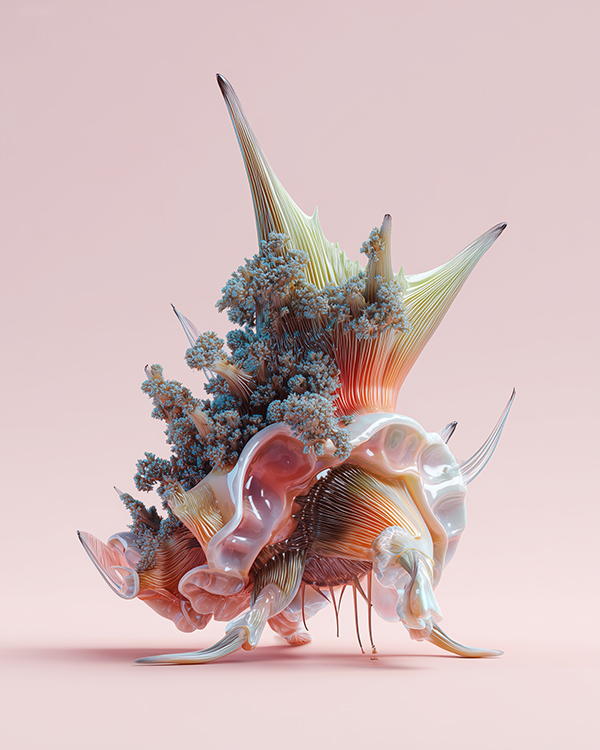
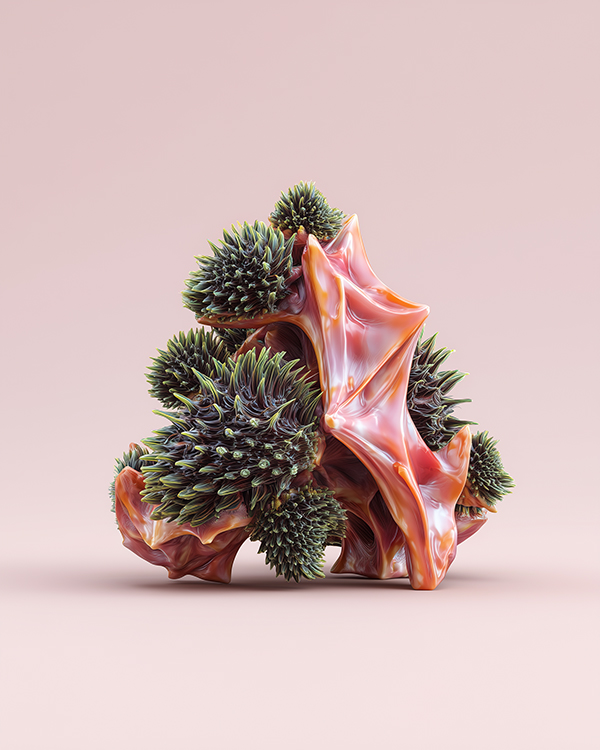
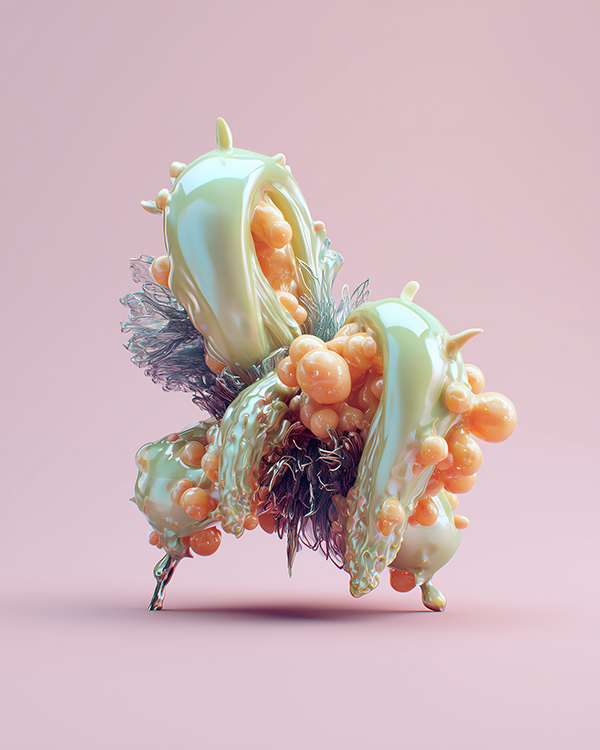
Examples of plant-animal hybridization.
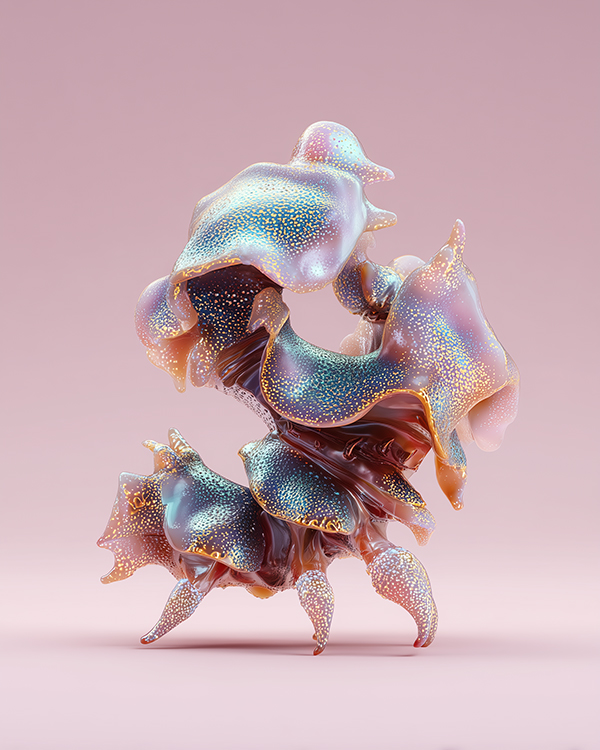
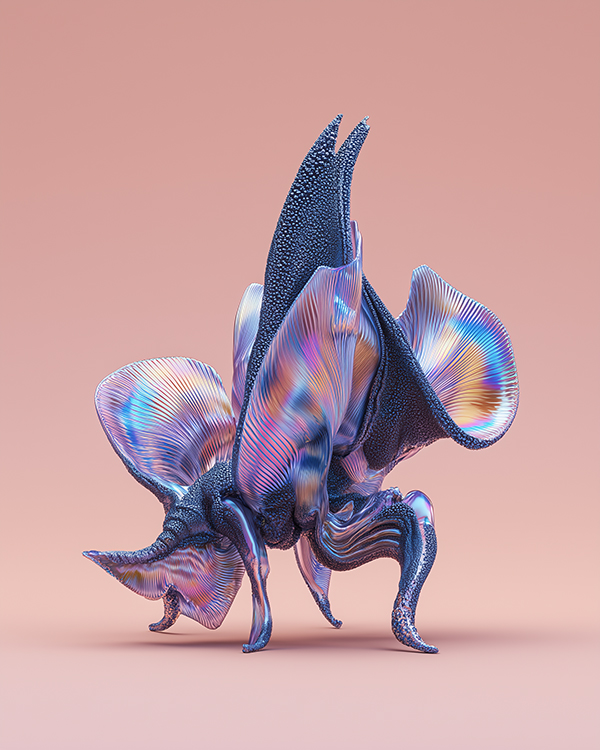
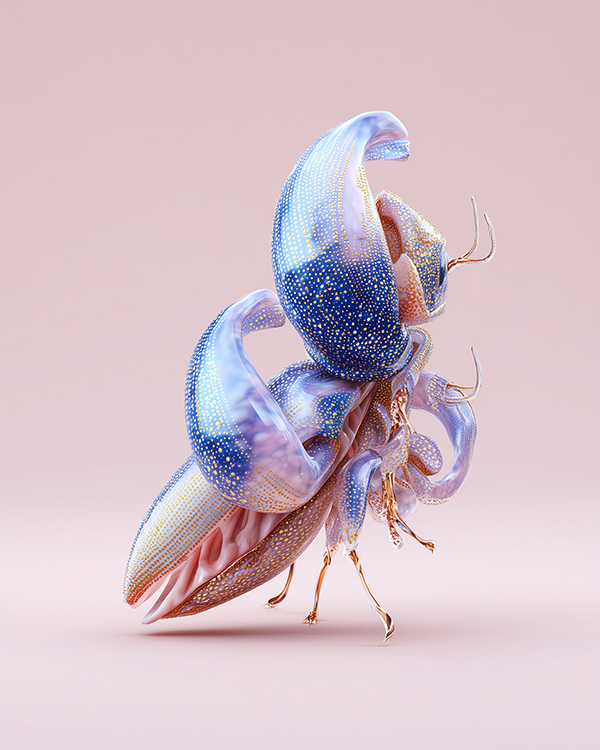
Several types of organisms could resemble corals or sea anemones due to the presence of lobes and folds; however, most do not appear to be fixed.
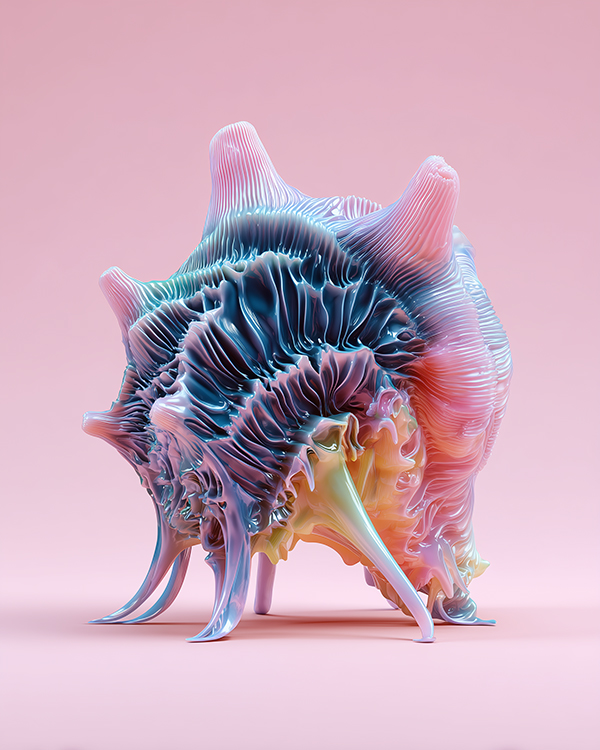
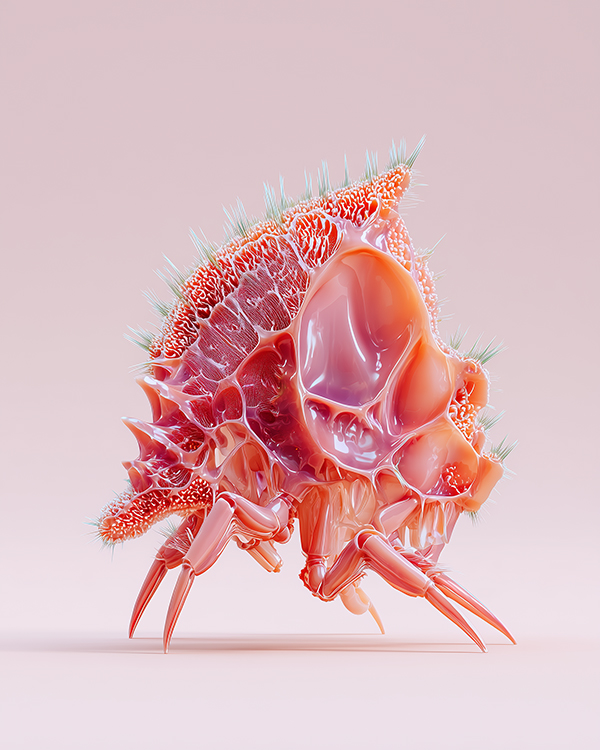
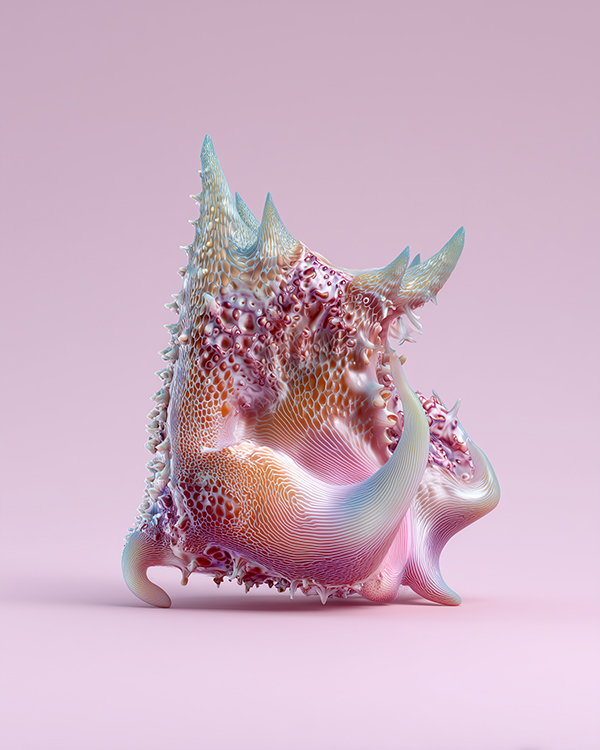
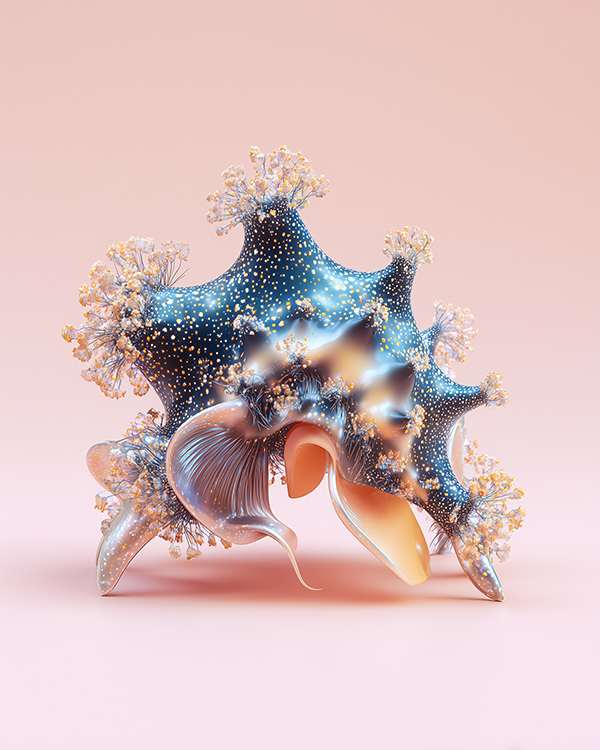
Fungal hybridizations also appear among the organisms.
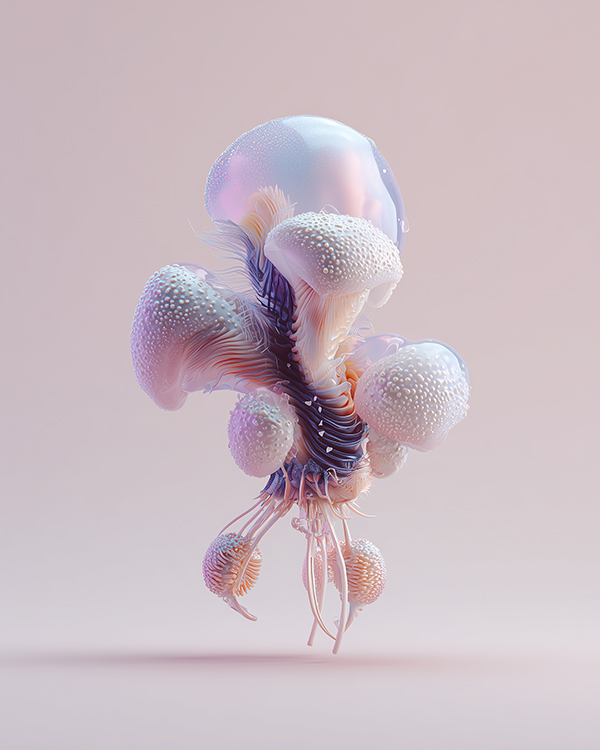

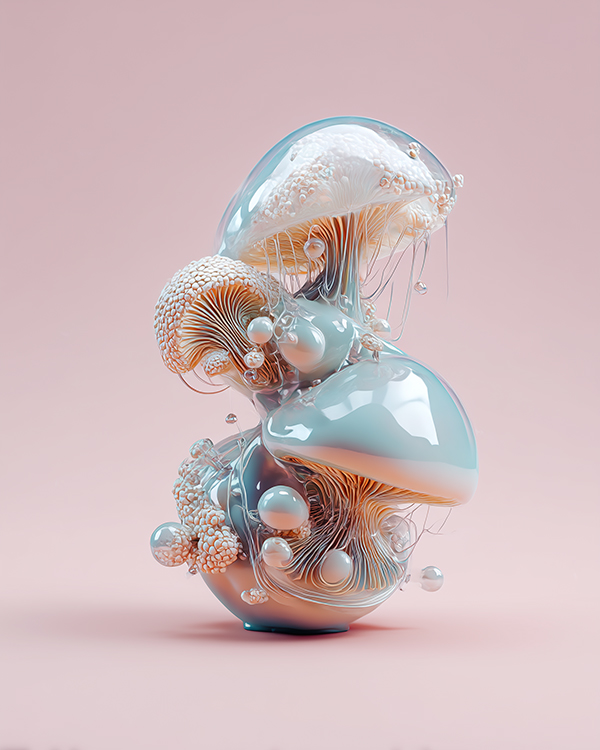
Pearly exoskeletons are a rather transversal characteristic.
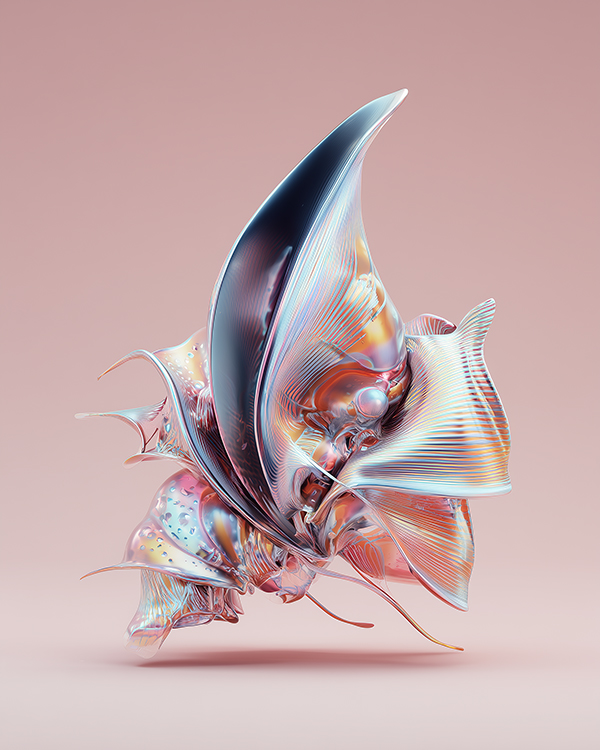
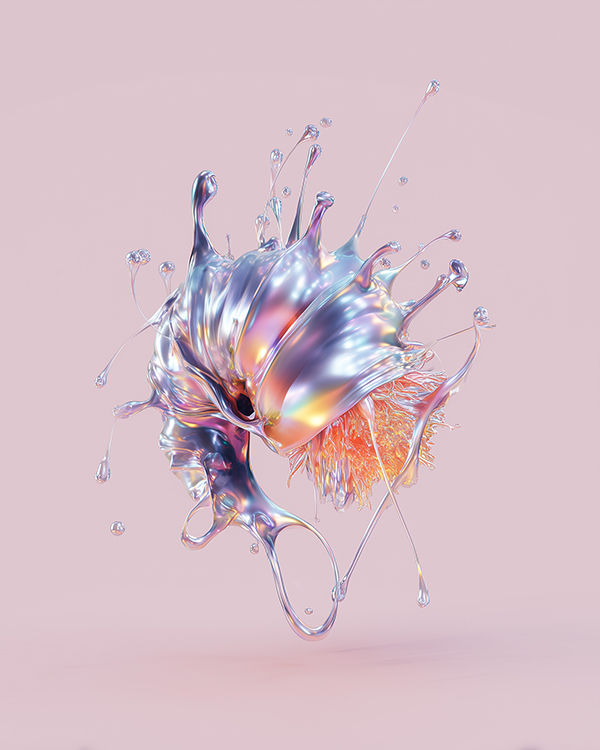
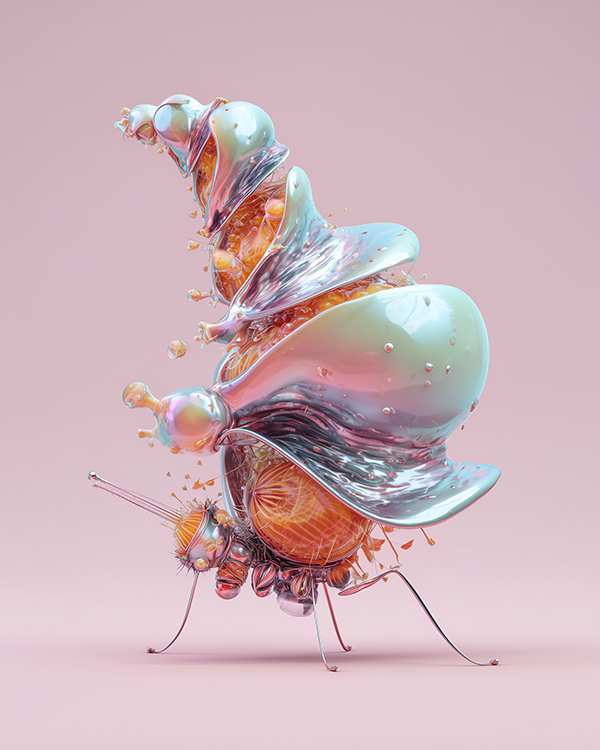
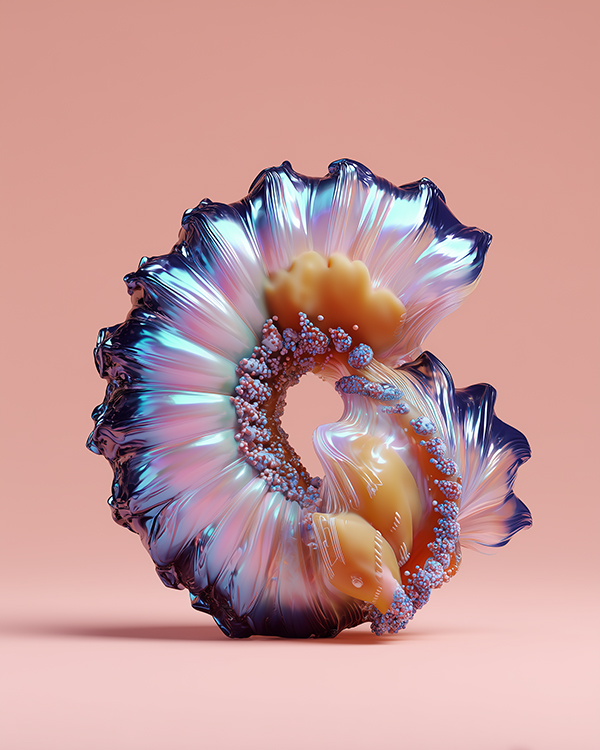
Final summary: The selection presented here comes from over 9,000 iterations. Unlike the first experiment, I did not need to intervene in the training base; it was enriched solely with the selected images. However, it was necessary to make one more intervention on the prompt at the beginning in order to diversify the base material. Aside from this initial intervention, the prompt proved very stable, producing varied and complex organisms. As it stands, my prompt/training pair seems capable of generating infinite coherent variations. Nevertheless, I’m beginning to feel a kind of confinement within a framework of natural characteristics which, by definition, have their limits. The AI shows great power in character hybridization, to the point where I wonder if I could find the autonomy I seek — and new forms — by pushing it to cross the generated organisms with one another and doing away with the prompt entirely. This might be the subject of a future experiment.