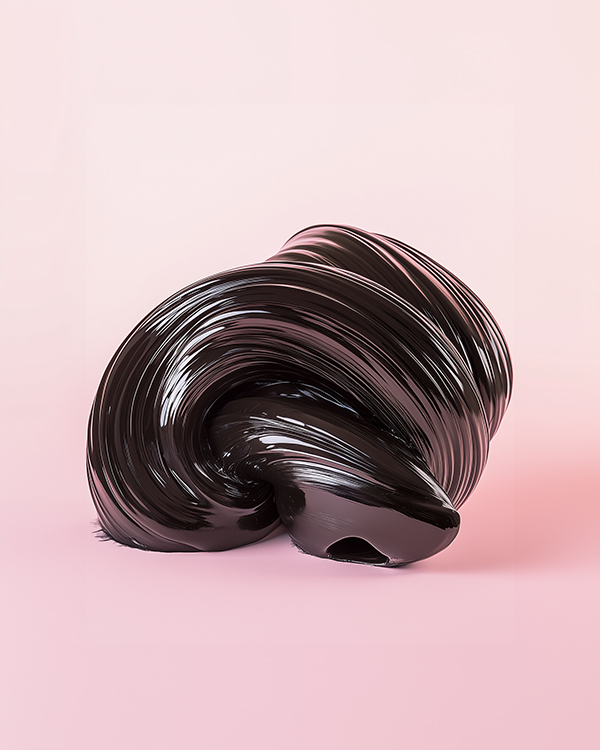
POLYMORPHA ARTIFICIALIS
Synthetic Morphogenesis
Experiment Report
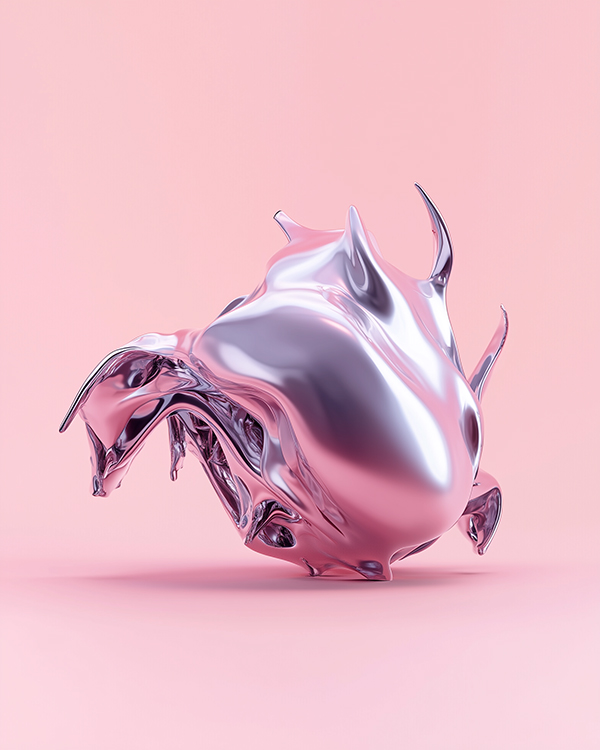
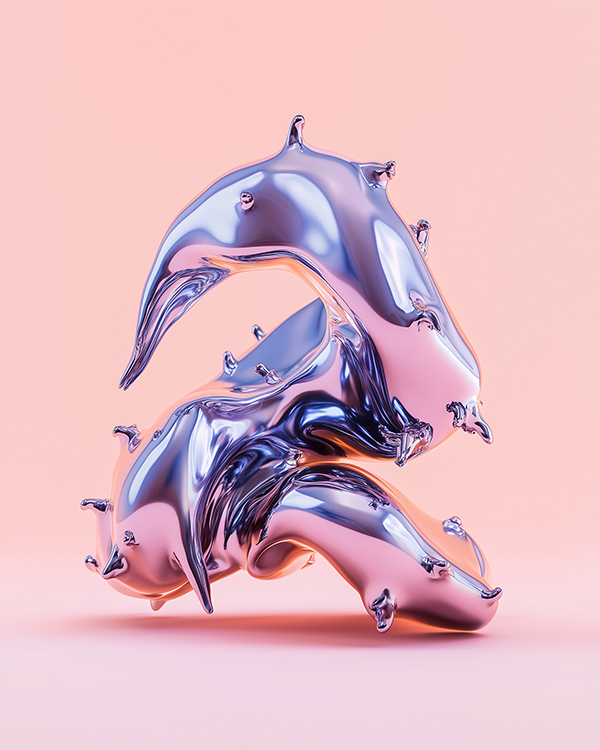
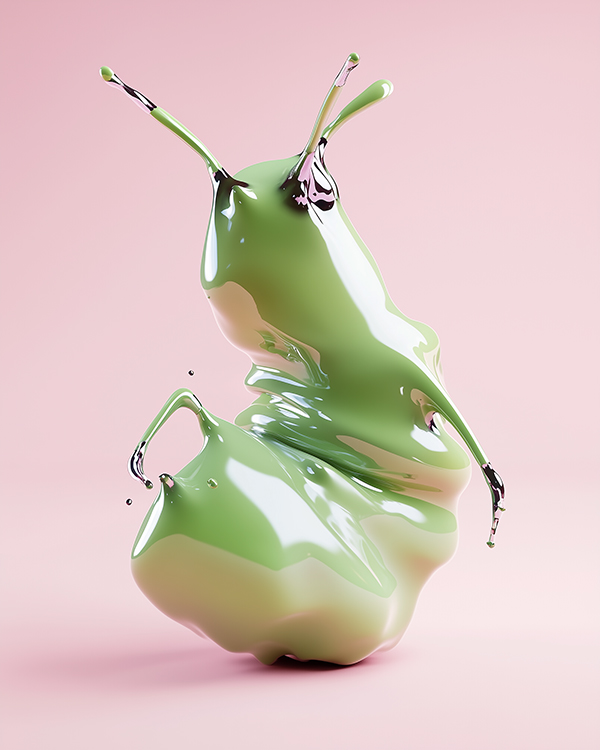
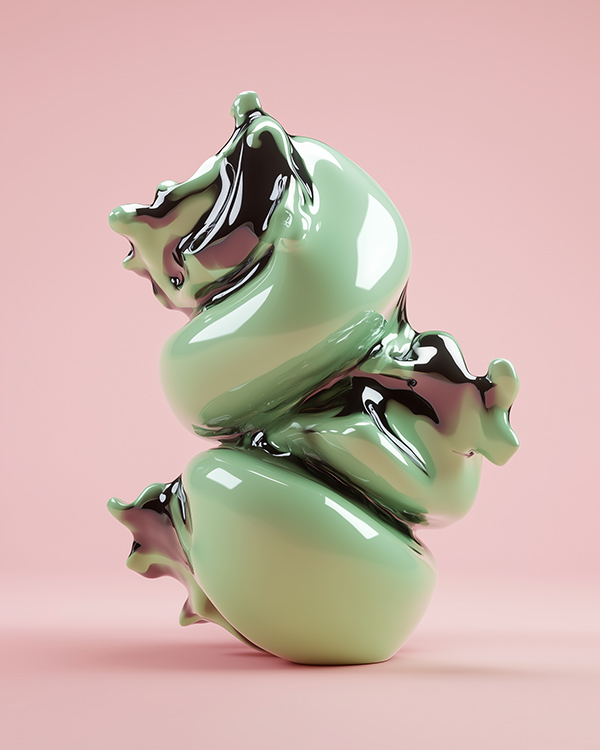
07.14.25: As part of a photographic project, a prompt* accidentally generates a primary organic form. It seems that the high repetition of the prompt ultimately caused the anomaly. Is it possible to evolve this organism through a similar repetition process?
The protocol is as follows:• initial form
• prompt accidentally creating a primary organism
• I integrate the image into the AI training and the prompt is relaunched
• it takes only 40 generations before significant differentiations appear
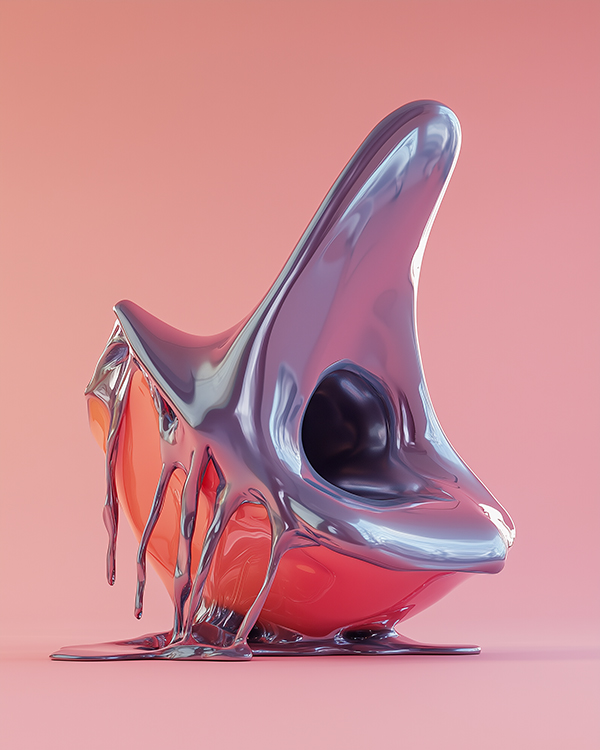
• the organism straightens up and an opening forms
I didn’t expect such rapid development, it feels like witnessing a birth
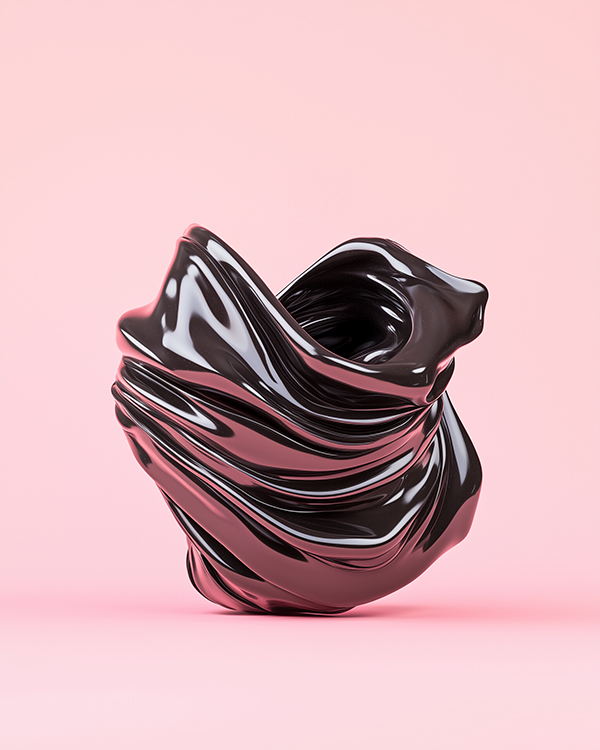
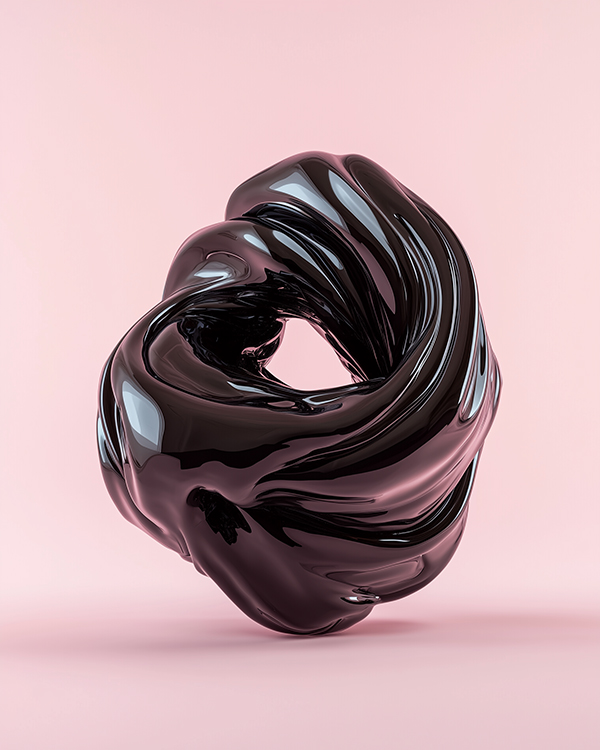
• the first 2 phases of evolution are added to the training as if to inscribe them into its genetics
• it takes 80 generations to move on to the next evolutions
• the organism closes up, undergoes a twist, and begins to tint more strongly in pink, seemingly absorbing the background’s hue
like in genetics, time is needed to let chance take its course

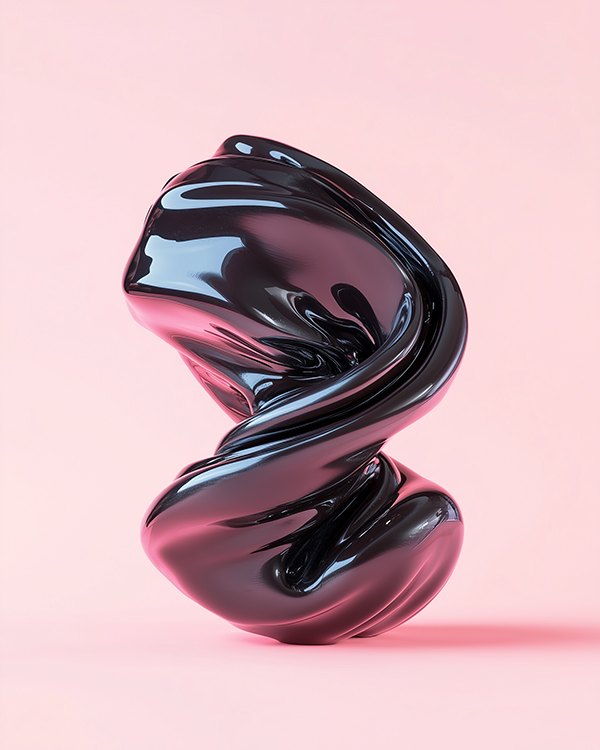
• introduction of a pink parameter in the prompt to measure the influence of its hue
• 40 generations
• one “arm” of the organism is completely tinted pink
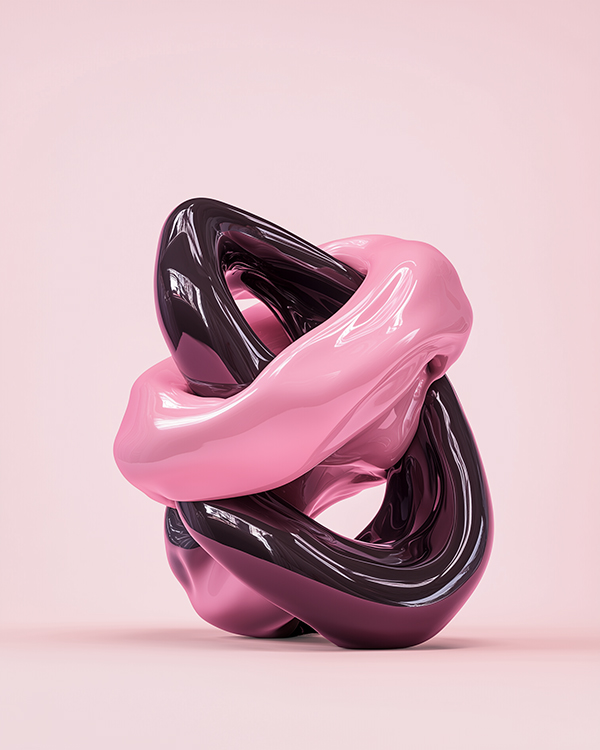
• 40 additional generations
• I try to inject a pink gradient parameter, but the organism regresses significantly; I do not integrate this evolution into the training to avoid reproducing it
• here I produce the most disappointing result
I hope the organism can redevelop despite this setback

• I run 40 generations again, replacing pink with blue
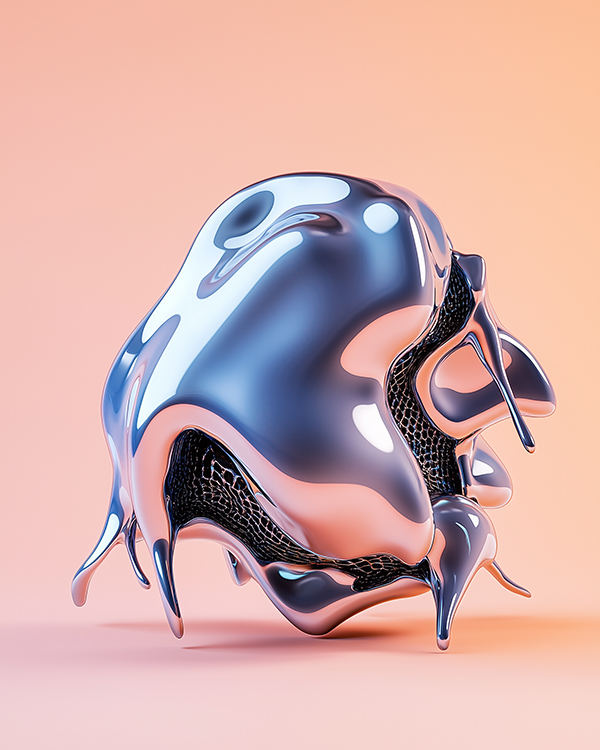
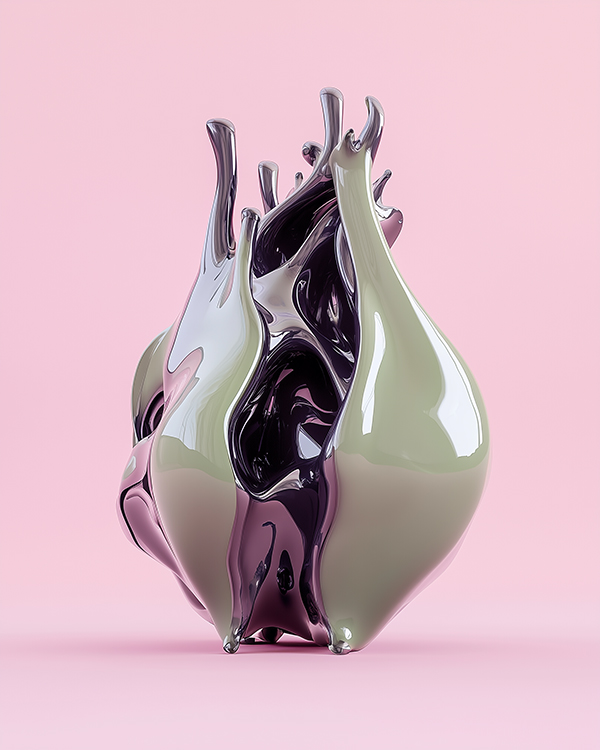
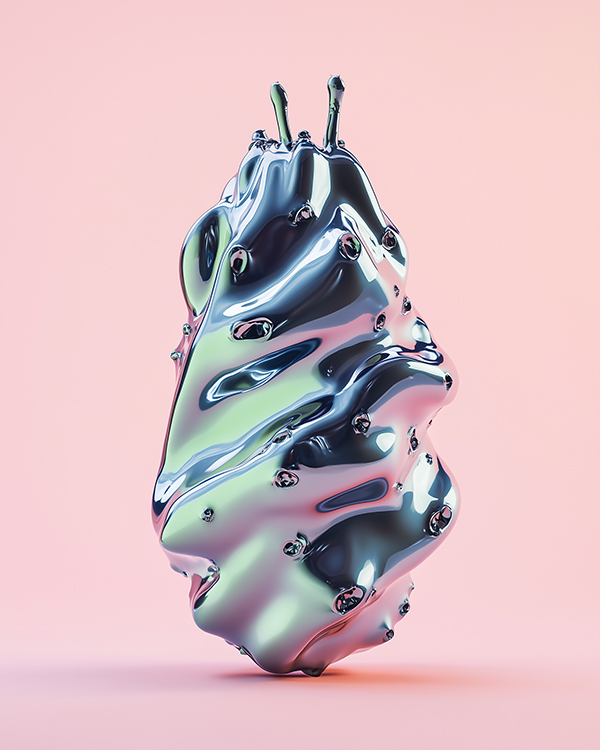
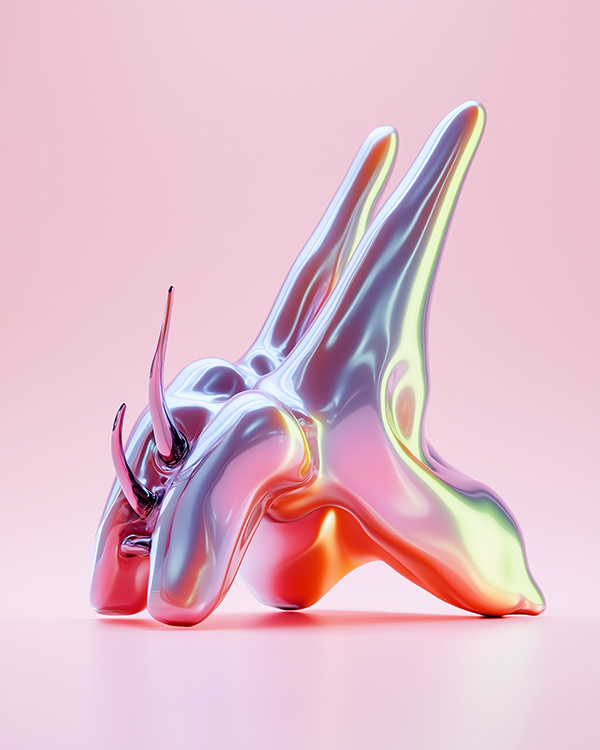
• the organism’s hue first takes on gray reflections before turning completely gray-blue; it straightens up into a kind of stacked layers
relief, development has resumed
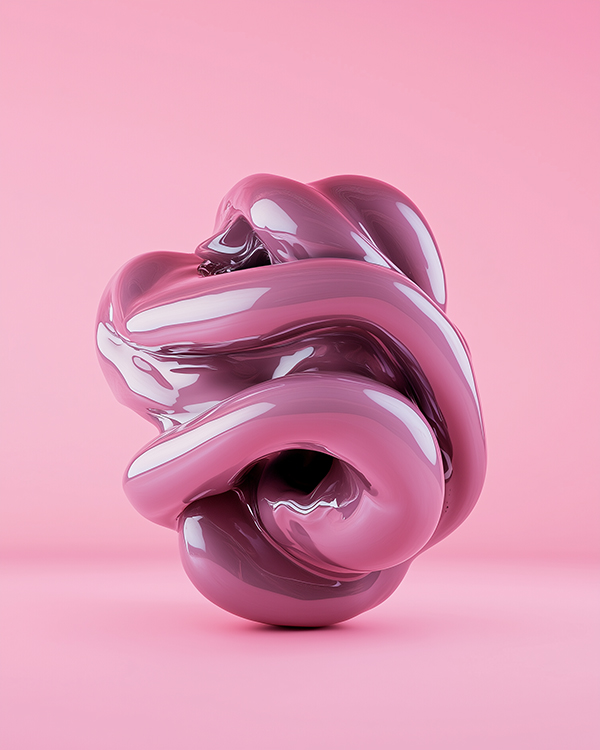


• I inject these three new evolutions into the training and decide to include the layering phenomenon in the prompt
• 40 more generations
• although the layers strengthen, the evolution is rather minor, the organism even regresses towards black
it is certainly a bit lacking in diversity, closed off in itself within the training, should I intervene?
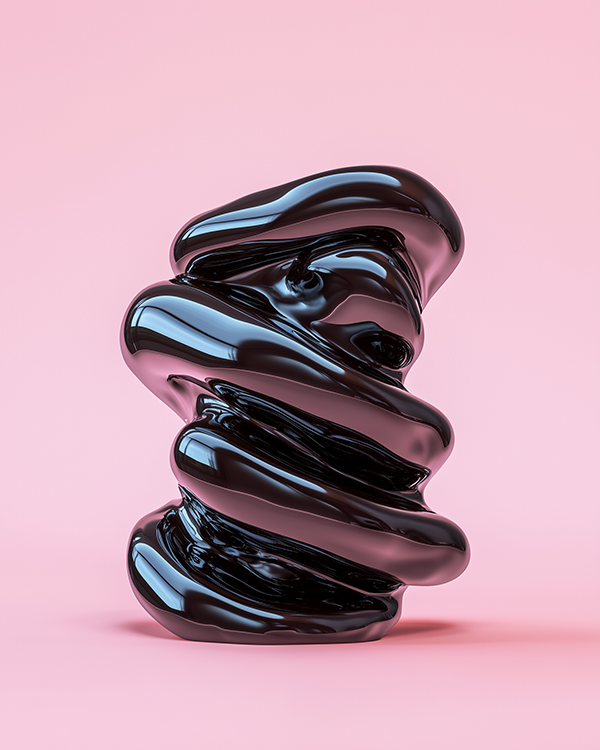
• I decide to run 40 generations again
• I double the randomness parameter in the prompt to get new materials to integrate into the training
• very little evolution; I run 40 additional generations, the organism begins to form a spiral, but the hypothesis of lack of diversity is confirmed
the organism stagnates in training with “peers” having too similar characteristics, I can’t leave it like this
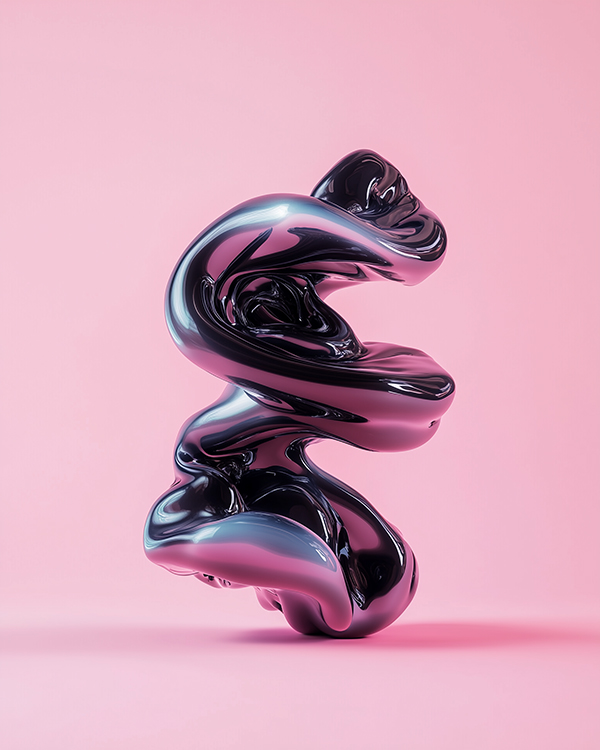
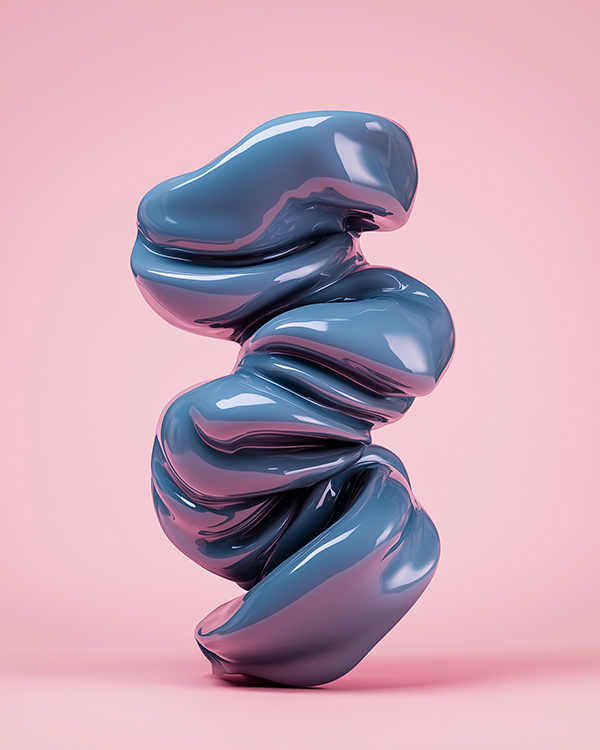
• I decide to intervene directly on the training itself, which contains 12 organisms; I inject 6 that show significant variations in shape and hue
• the exogenous organisms are created based on the same prompt but with training disabled
• I reset the randomness parameter in the prompt to its initial level and run 40 generations
the experiment is a success with 4 major evolutions, the organism gains complexity, though I feel like I may have violated the protocol
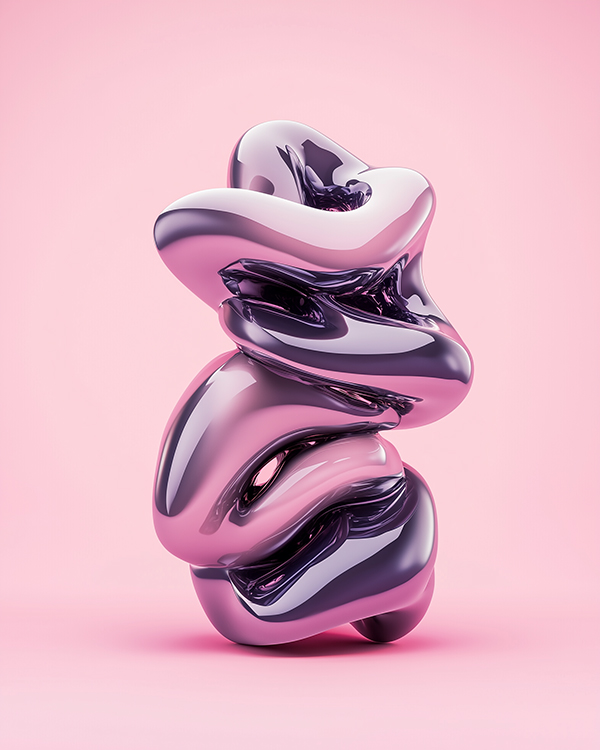
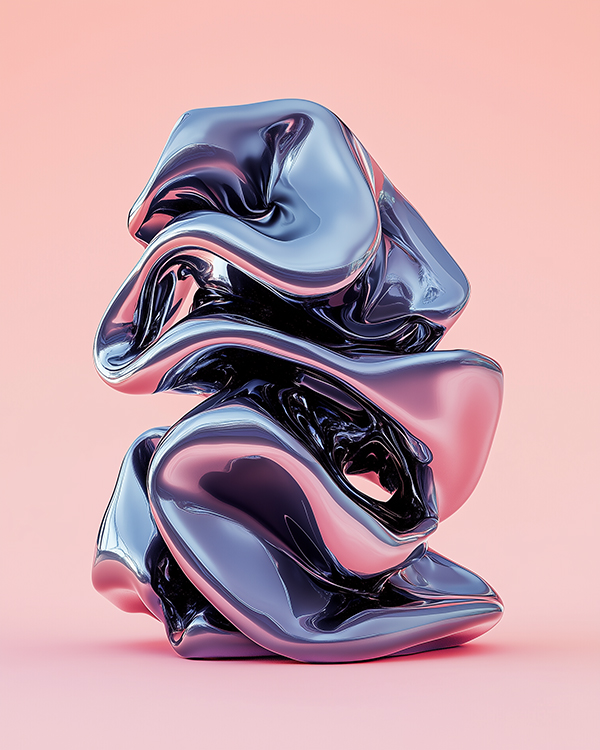
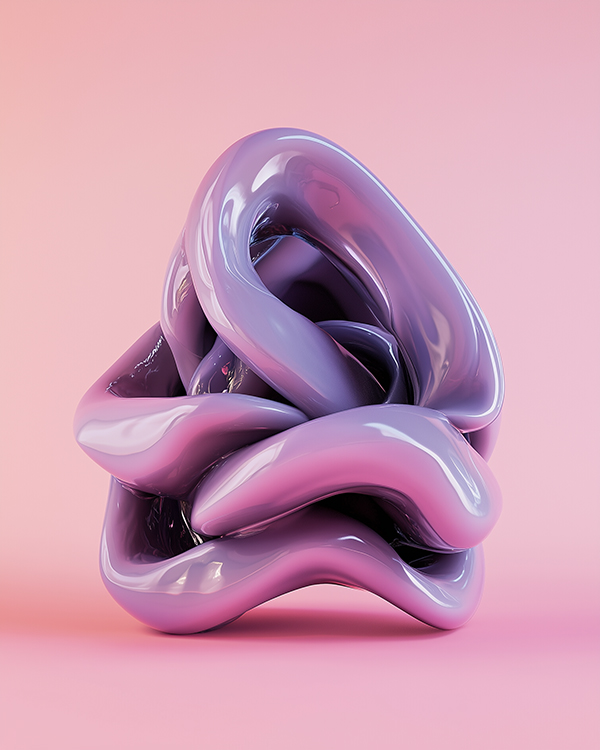
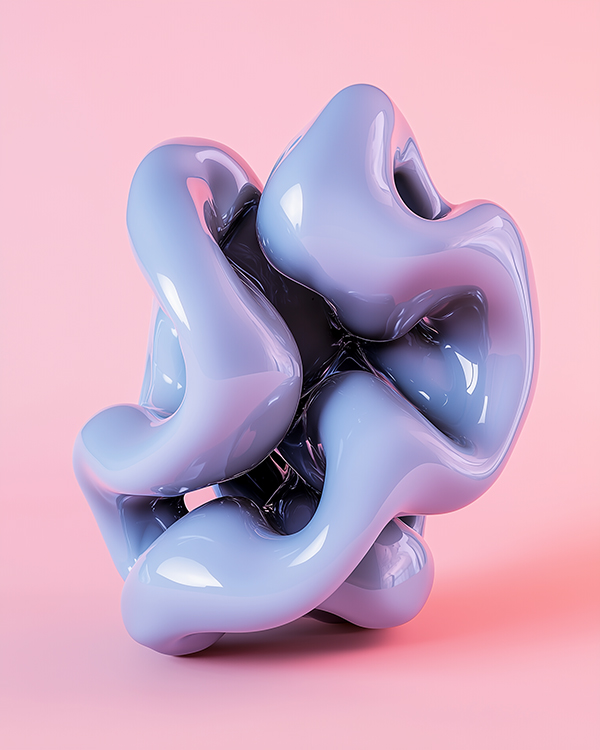
• I integrate the new evolutions into the training and run 40 generations, my selection criteria are diversity and complexity
• the organism seems to break down, creating more complex meshes

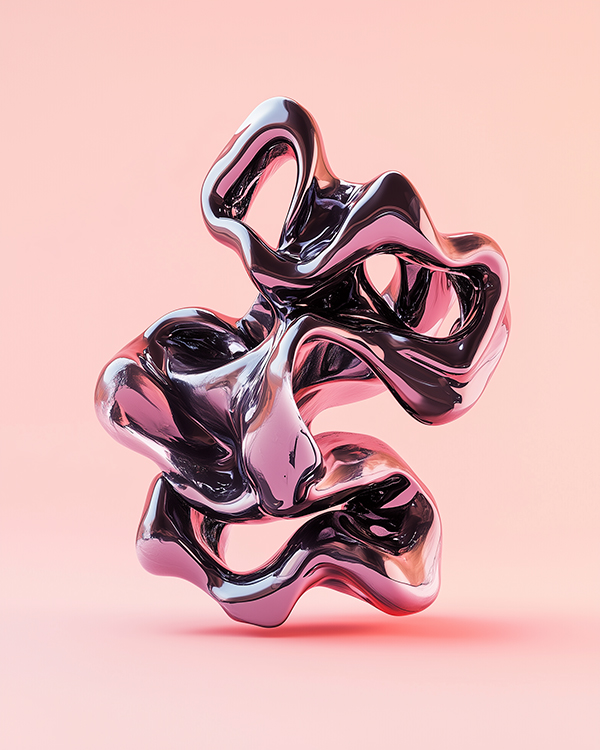
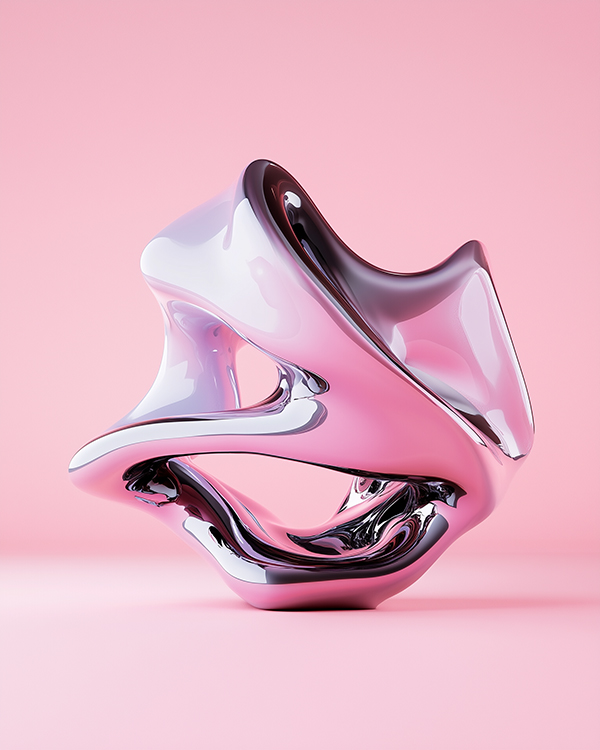
• in the next 40 generations the organism seems to stagnate again in this form
• I hypothesize that some formal characteristics in the prompt that guided the early stages of its evolution may have become too restrictive, so I decide to remove them to see if the organism takes new directions
• removal of ideas related to the shape curling onto itself, its perforation, and layering
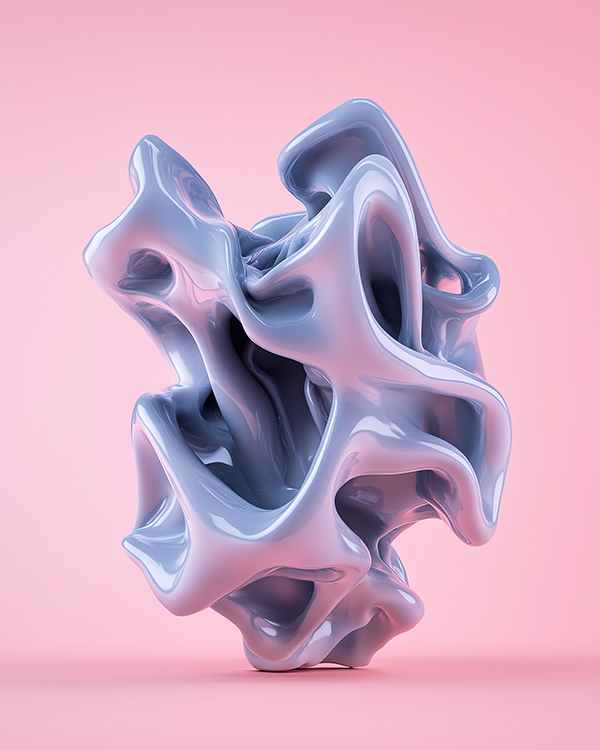
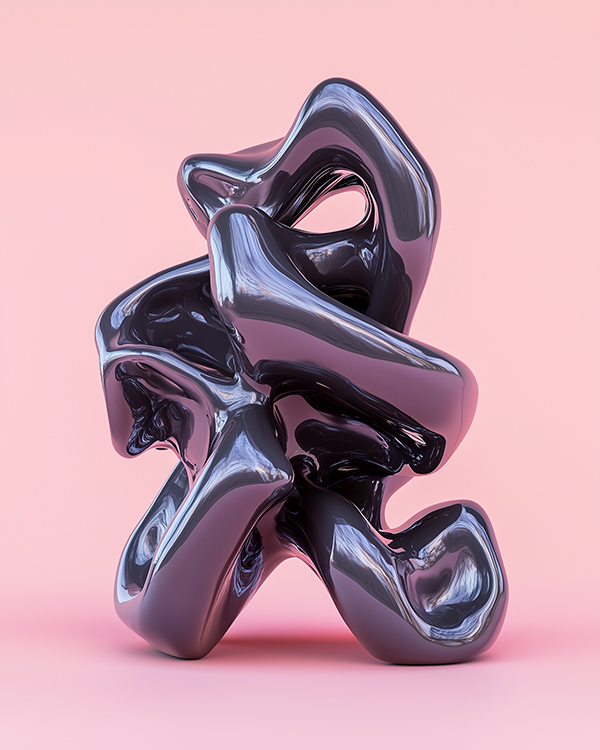
• 40 generations
• partial validation of the hypothesis, a new form does appear but a single result is not conclusive enough

• I run 40 generations again, the new direction holds, confirming the hypothesis that without precise intervention on the form, the organism eventually finds its own path
however, at this stage I feel some frustration, I thought the organism would develop more creatively in this empty space
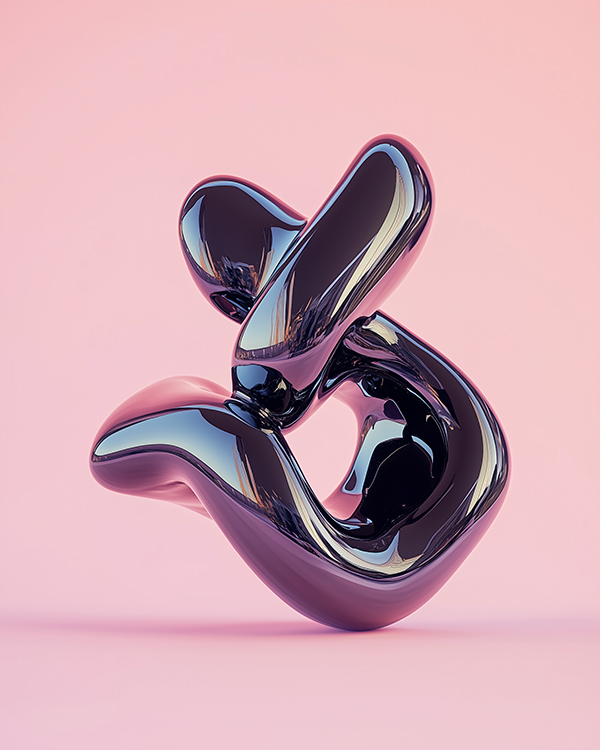
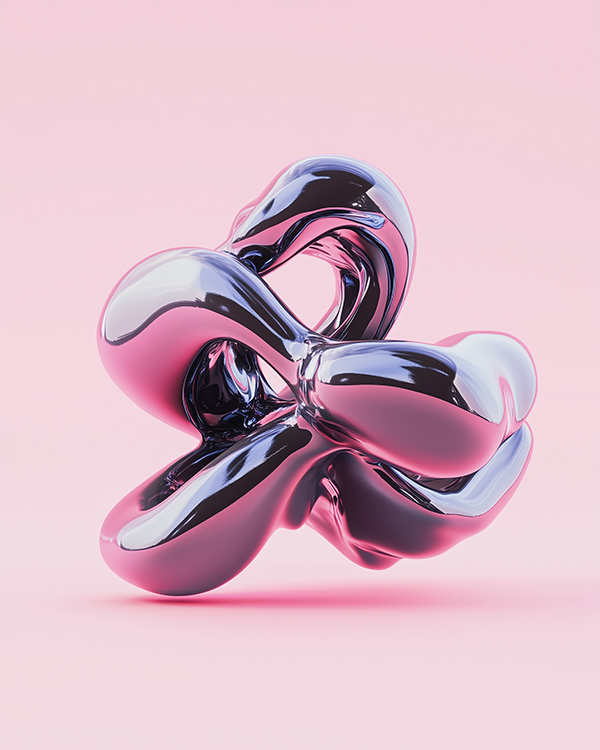

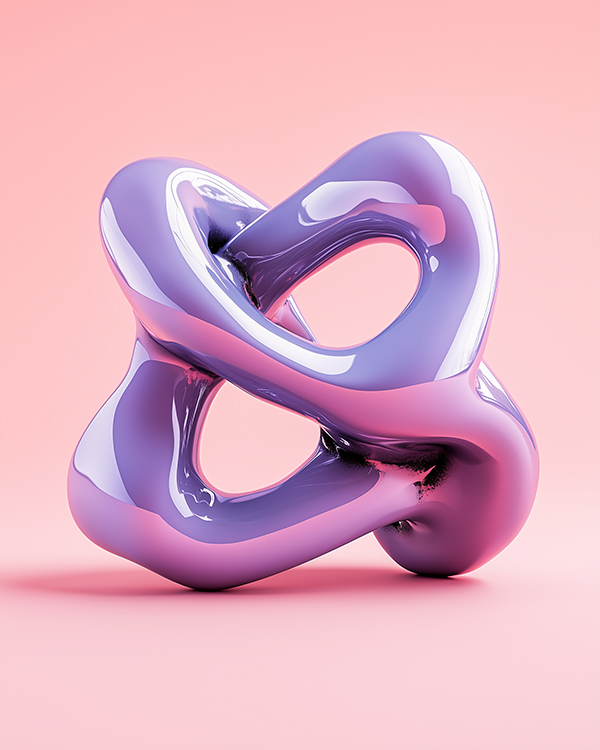
• I inject 6 new free-form shapes into the training and run 40 generations
• despite this, the organism does not develop as I hoped
• its shape evolves but without truly significant development, at times it even seems to revert to its initial state
all of this is quite discouraging

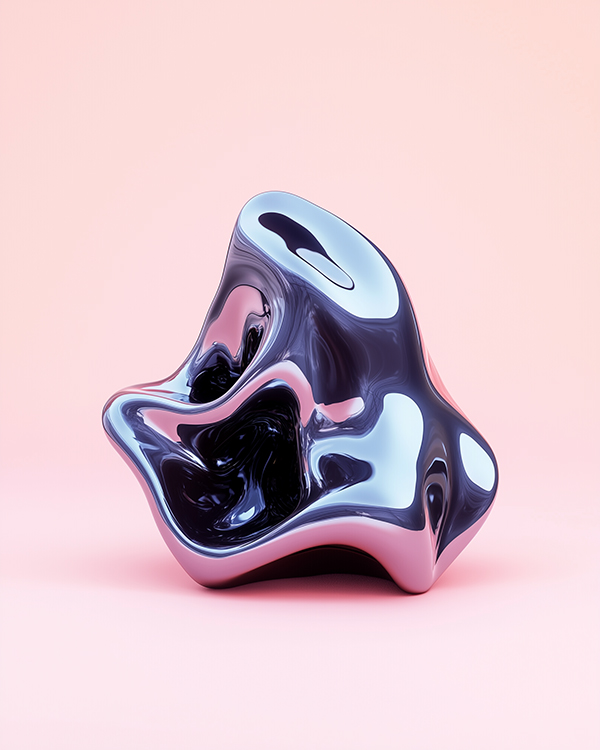
First summary after 560 iterations: the training contains every evolution, it creates a framework, a story. Like genetics, it imposes characteristics, and like genetics, it can become confining if it doesn’t enrich itself. The prompt is like the environment; it disrupts the genetics, it forces randomness. I select what ends up in the genetics, what survives and will develop. So I will influence the environment more to enrich the genetics.
• 40 new generations injecting the idea of an insect into the prompt
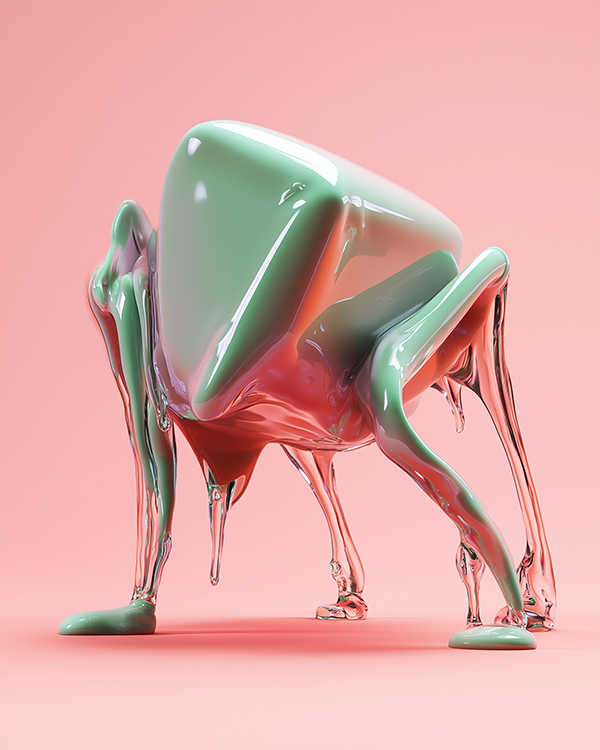
• supports, legs, organs seem to form little by little
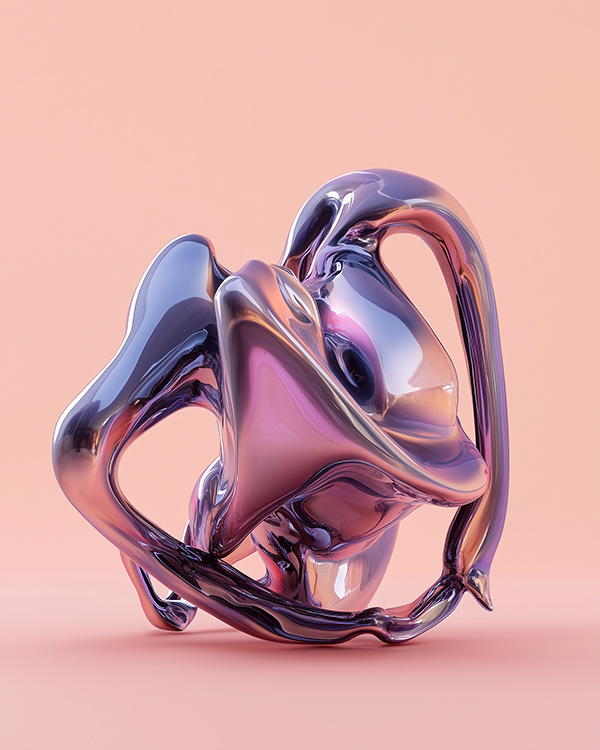

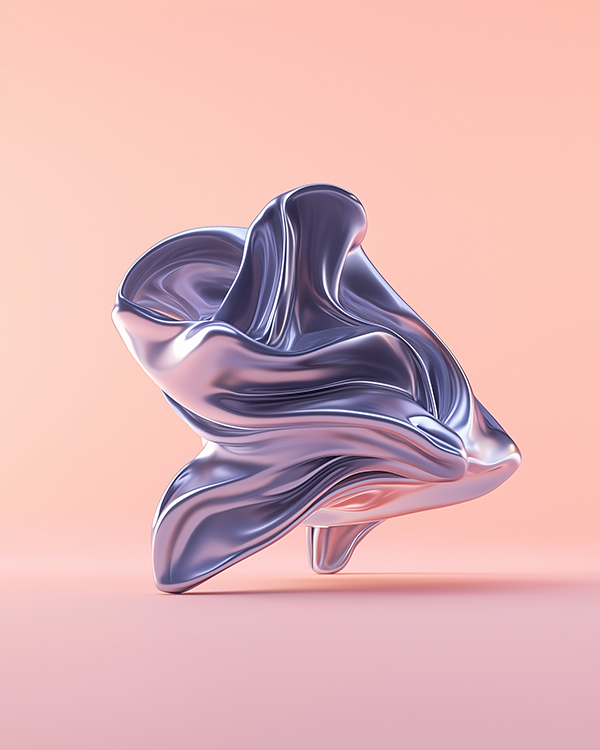
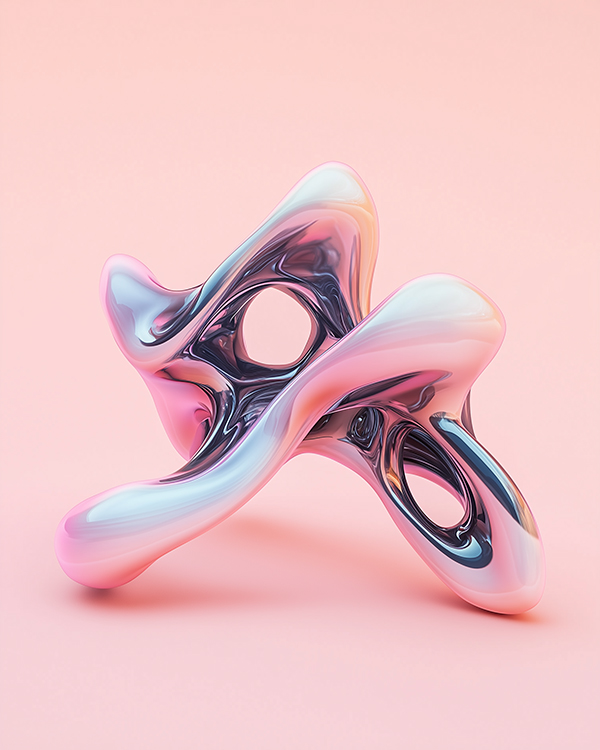
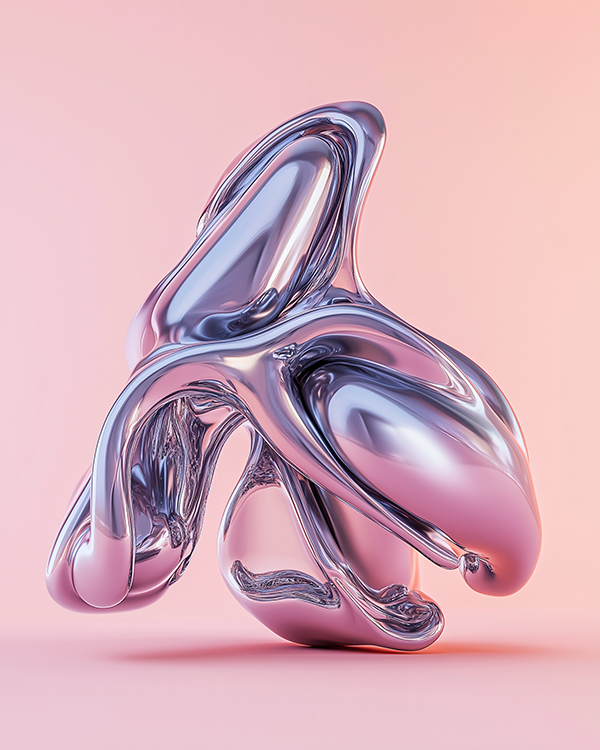
• 40 more generations on the same basis, biological forms are clearly starting to appear
I am hopeful that once the training’s genetics have been fed with enough diversity, there will be a creative trigger
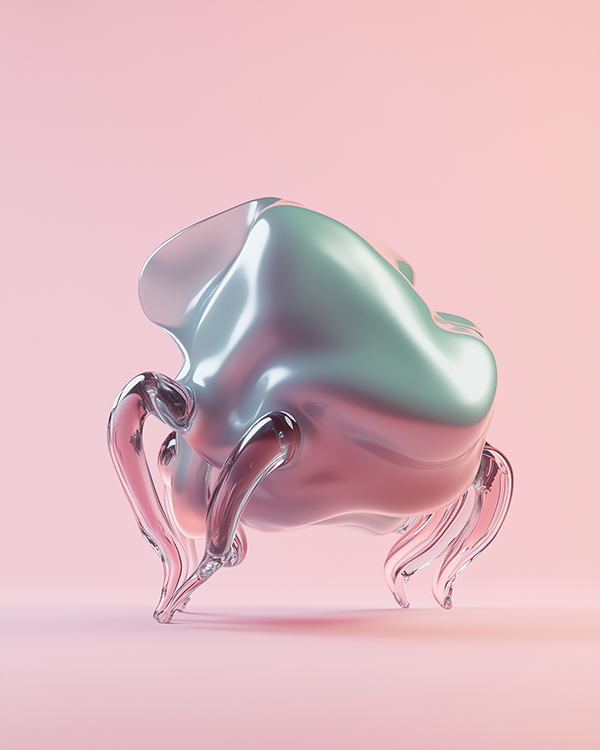
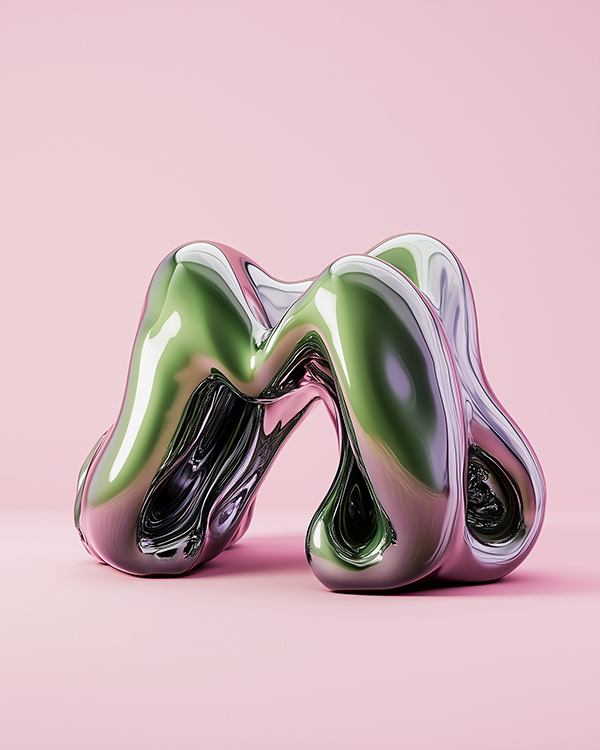
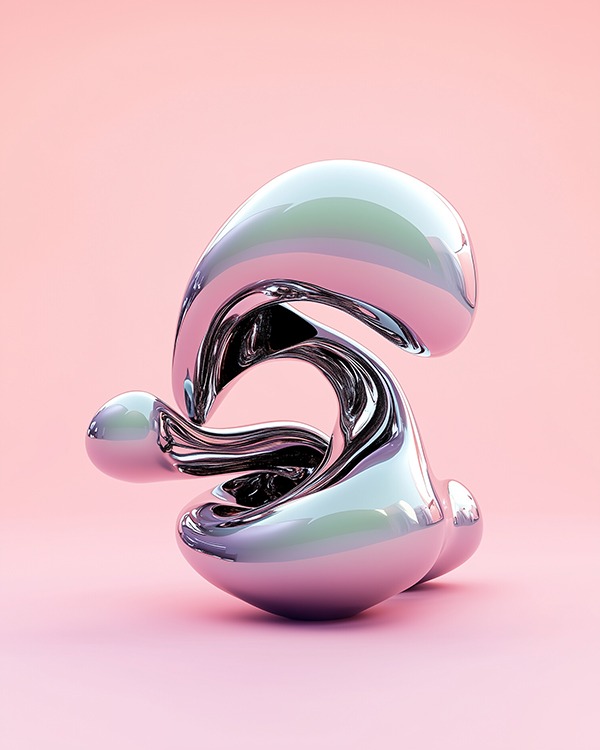
• 40 more generations, hue variation, animal-like forms seem to want to emerge from the soft volumes
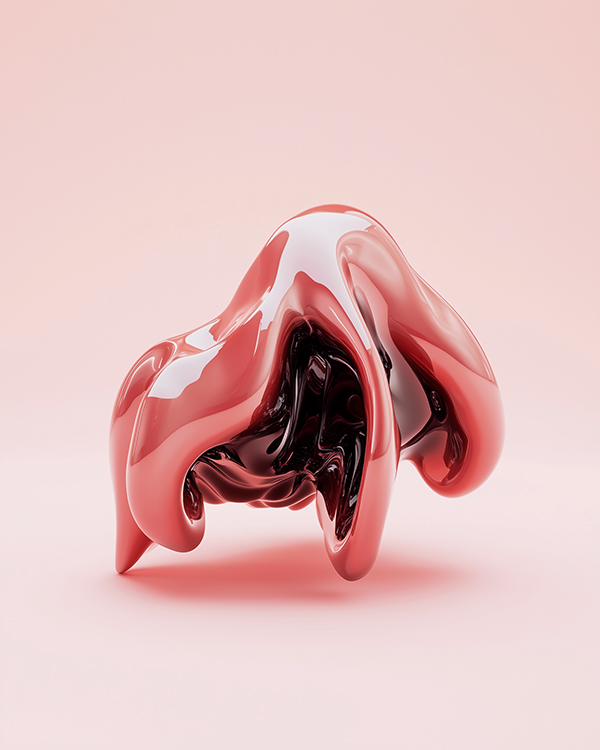


• 80 generations: plant-like forms, antennae, mandibles seem to form
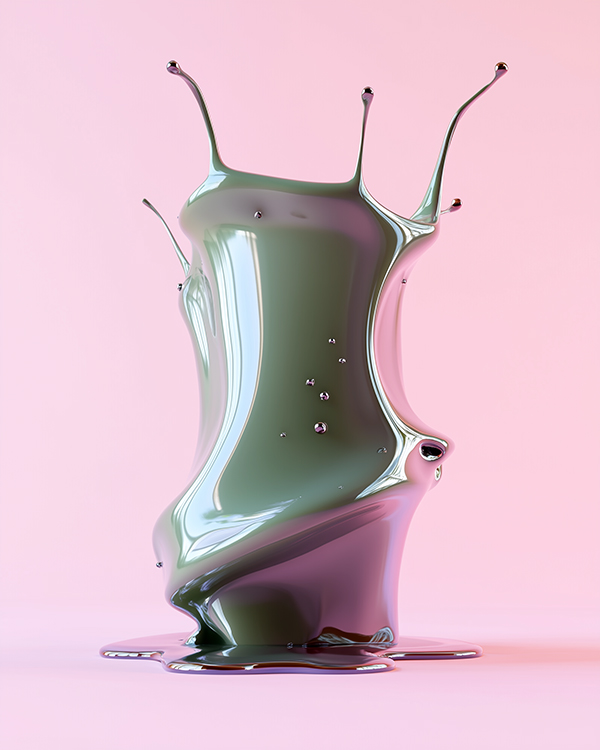
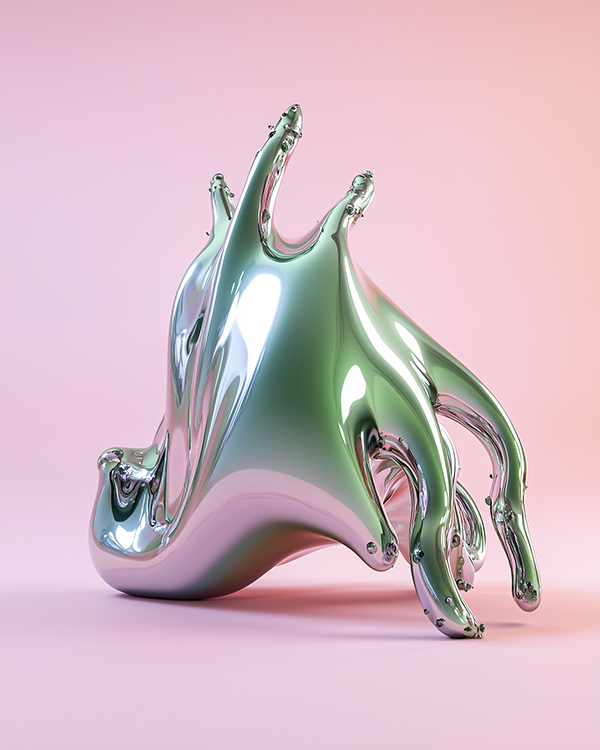
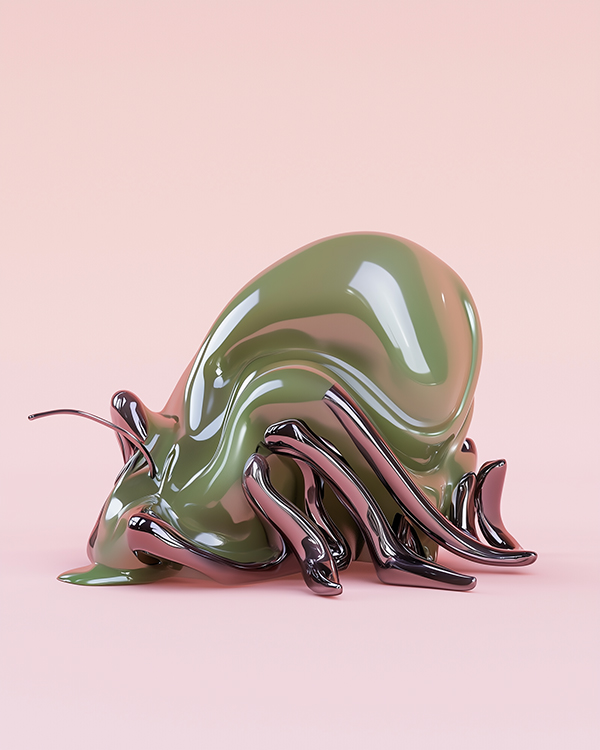
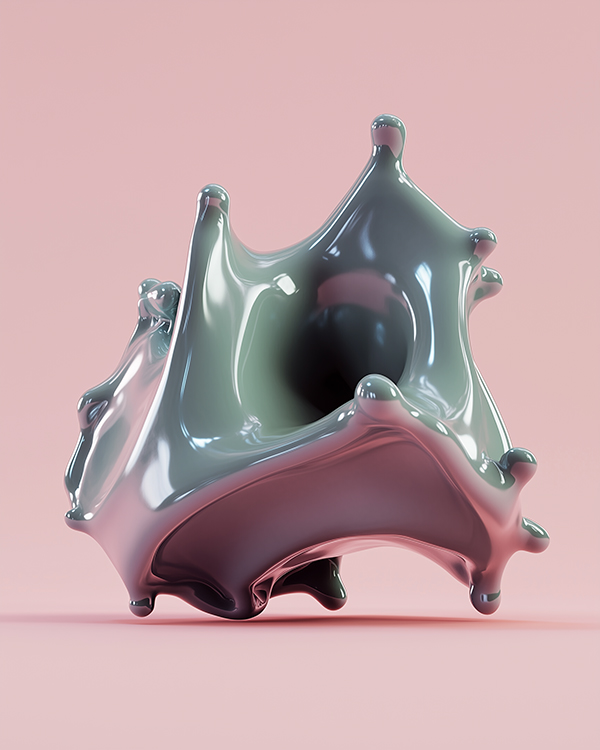
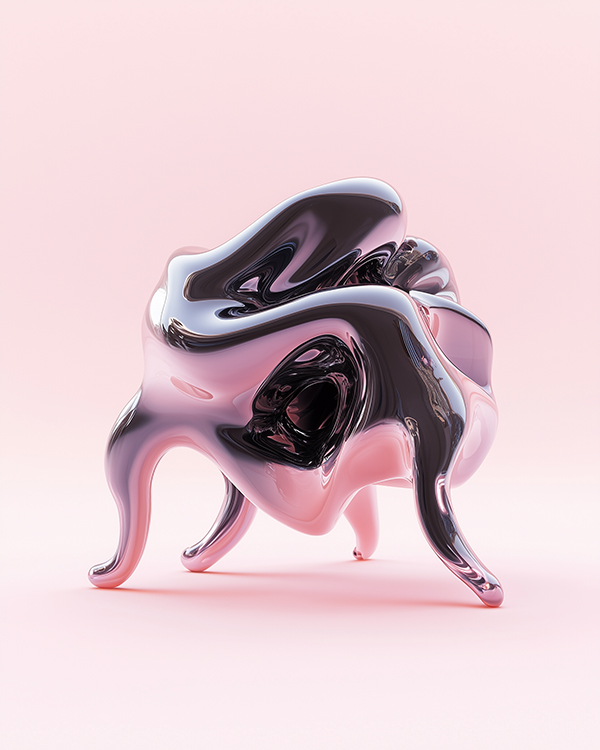
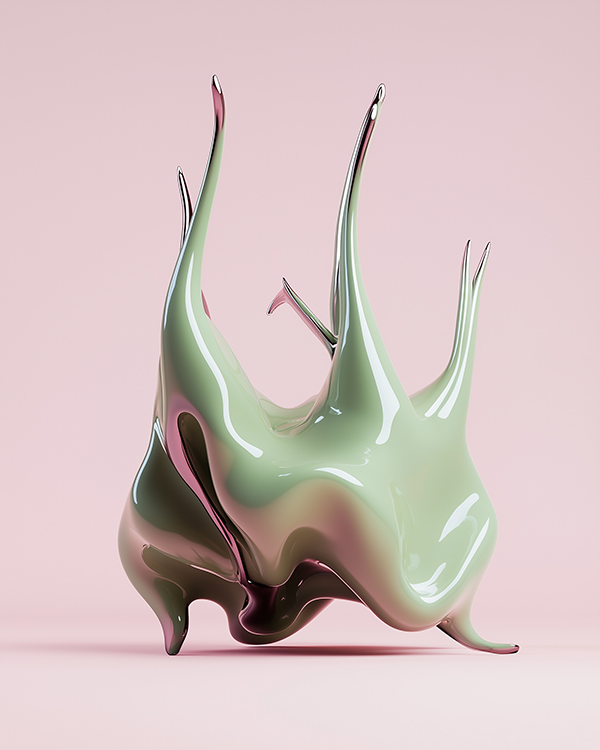
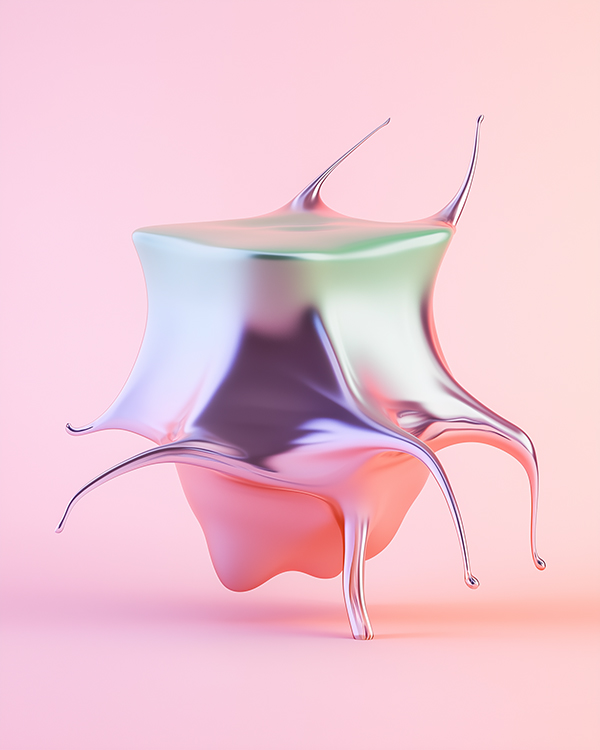
• next 80 generations
• I think I’ve reached a point of autonomy, the prompt is stable, I only vary the hue now, the training is diversified
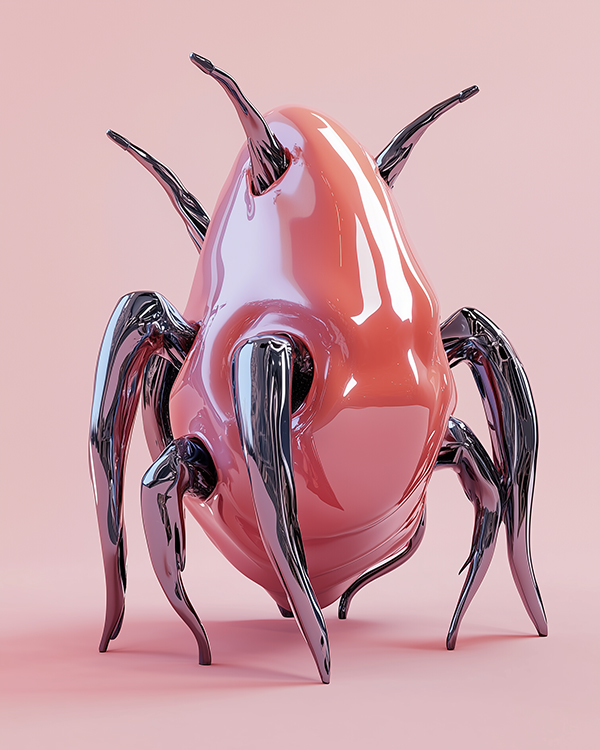
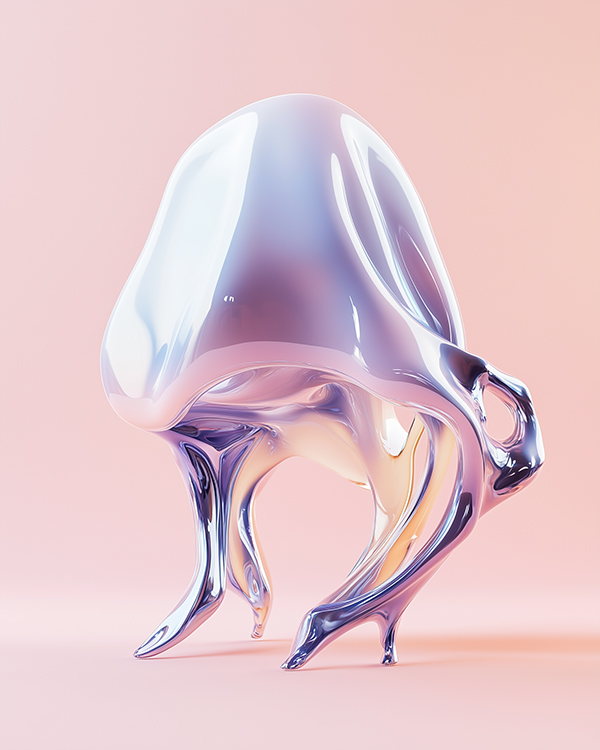
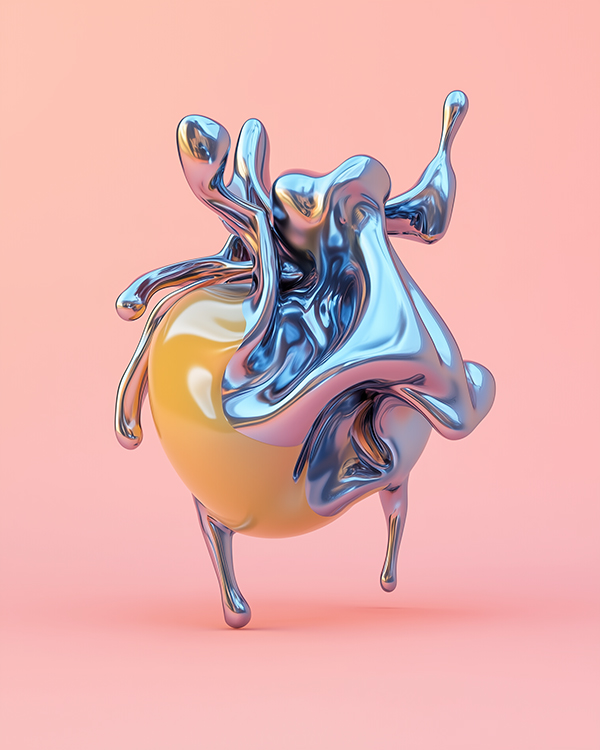
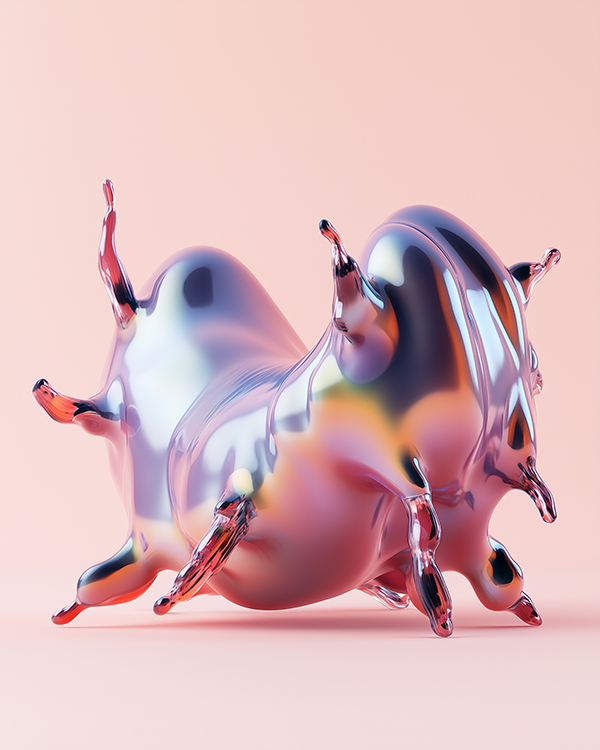
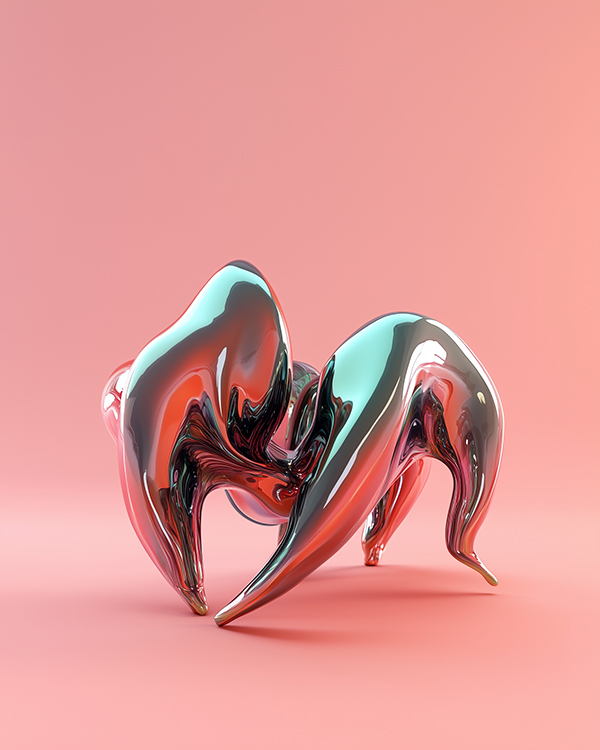
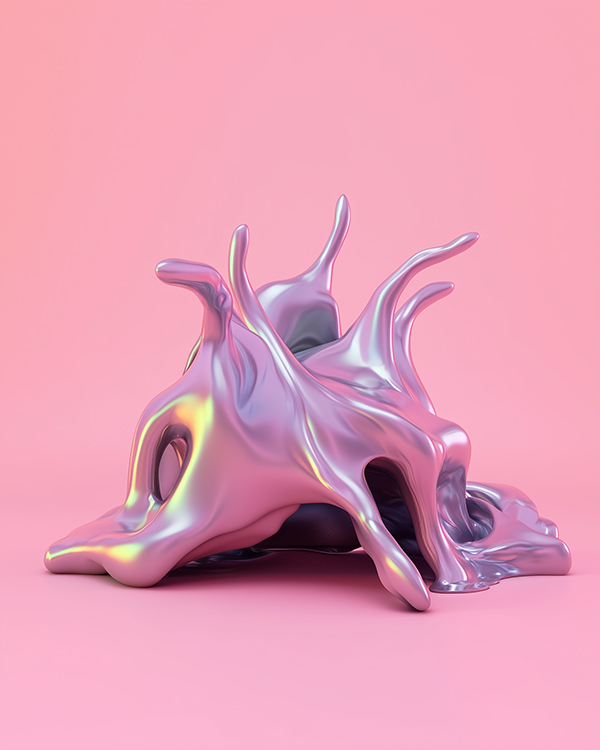
• the generations are rich, legs and tentacles increasingly common, the organism takes on a quite distinct marine trend
it’s very exciting to see it evolve almost on its own, it’s becoming harder and harder to make a selection
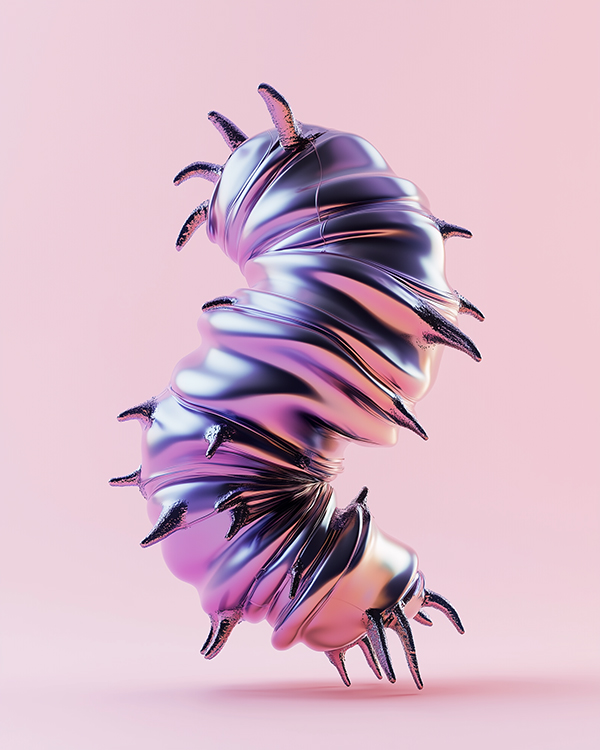
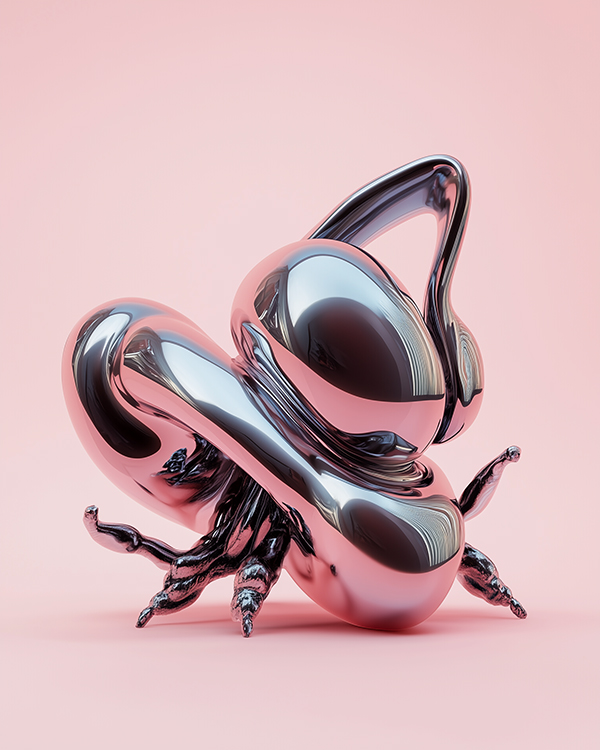

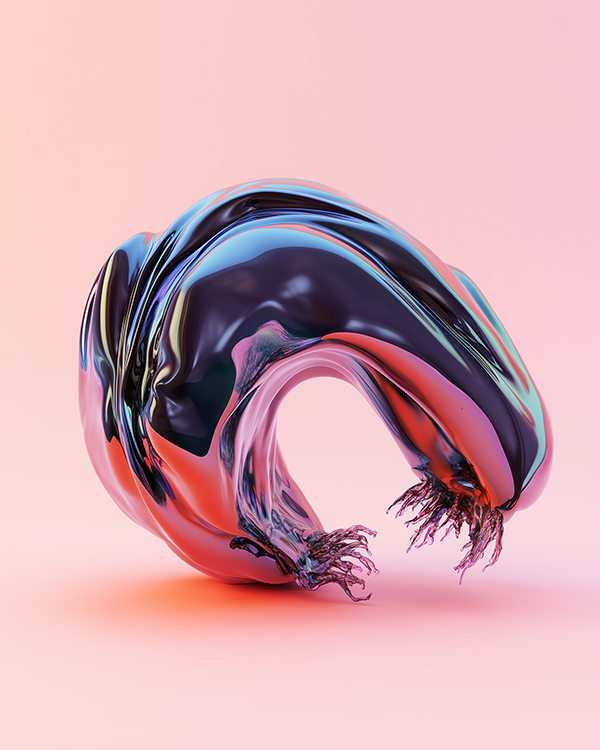
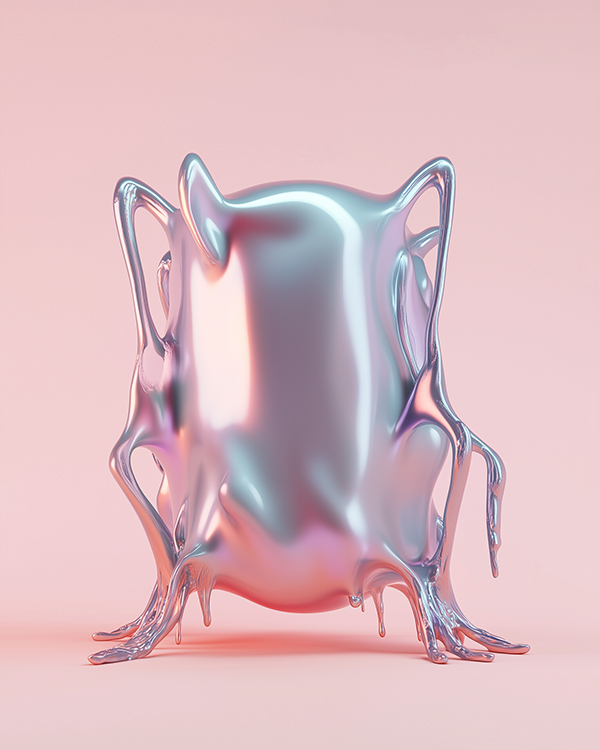
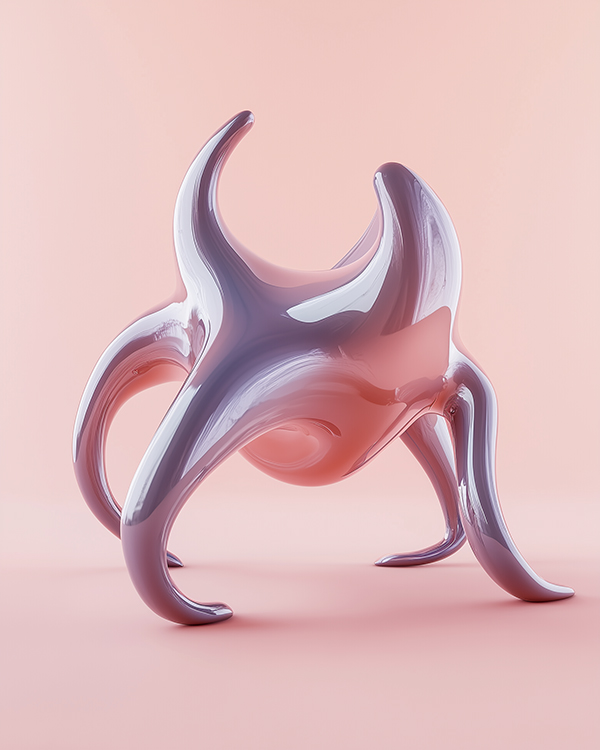
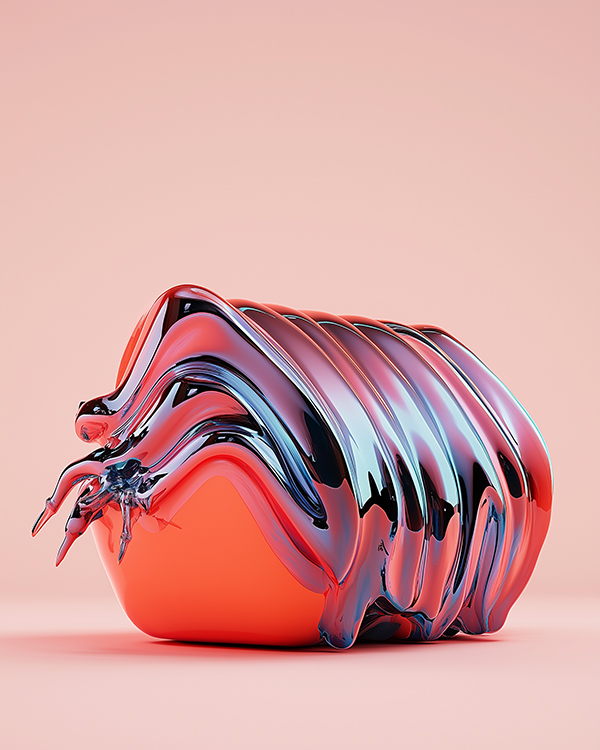
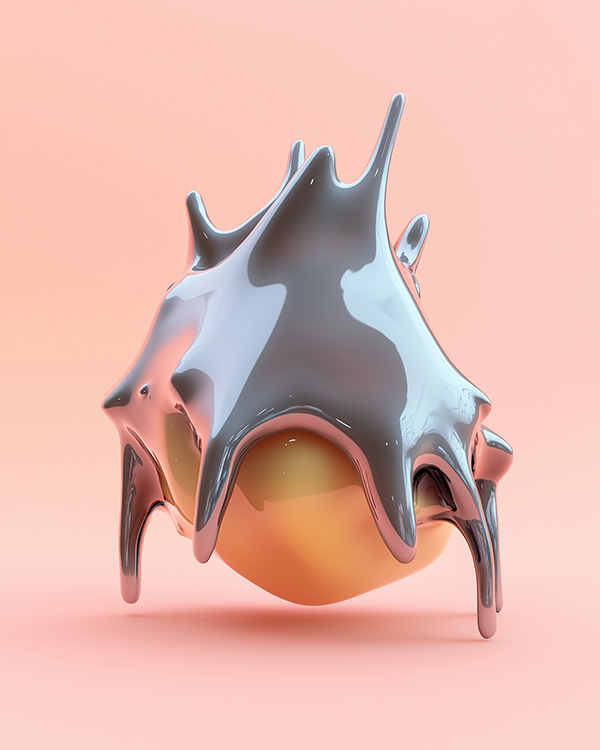
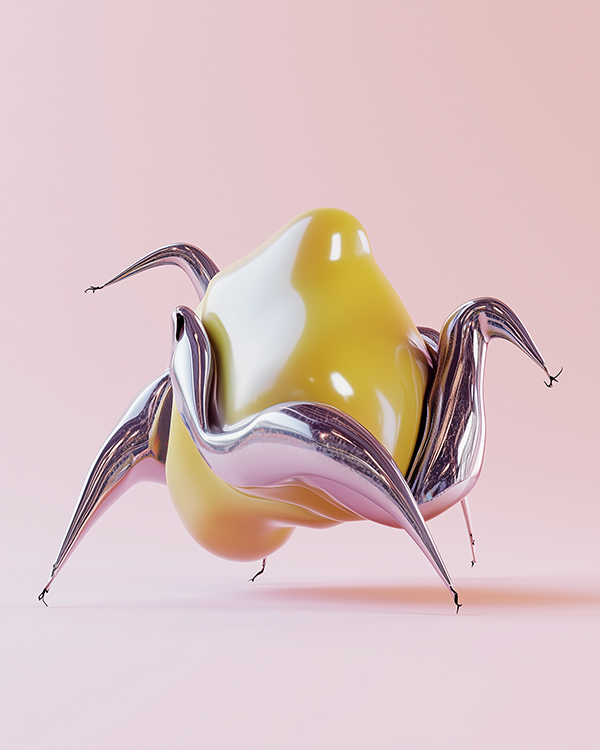
• 80 generations
• hue variation again only, development now clearly oriented towards an organism of wet environments, with some terrestrial aptitudes and some plant characteristics
it must be admitted it’s becoming really endearing
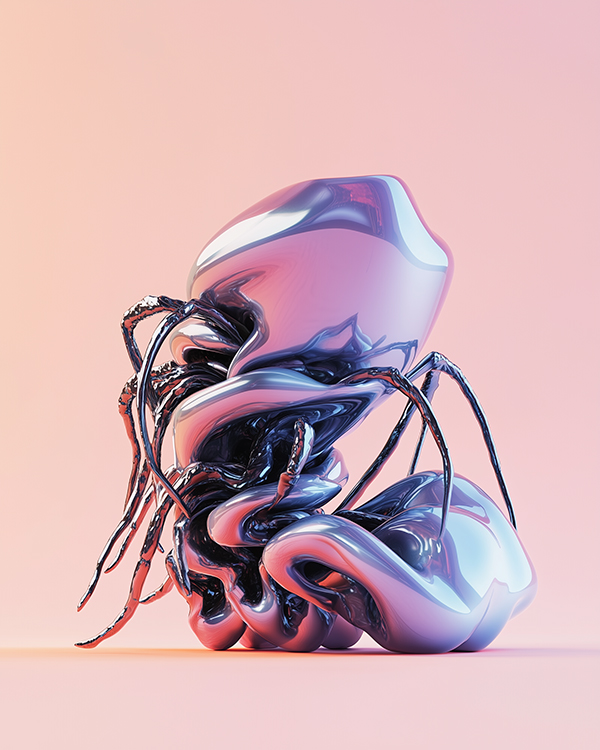
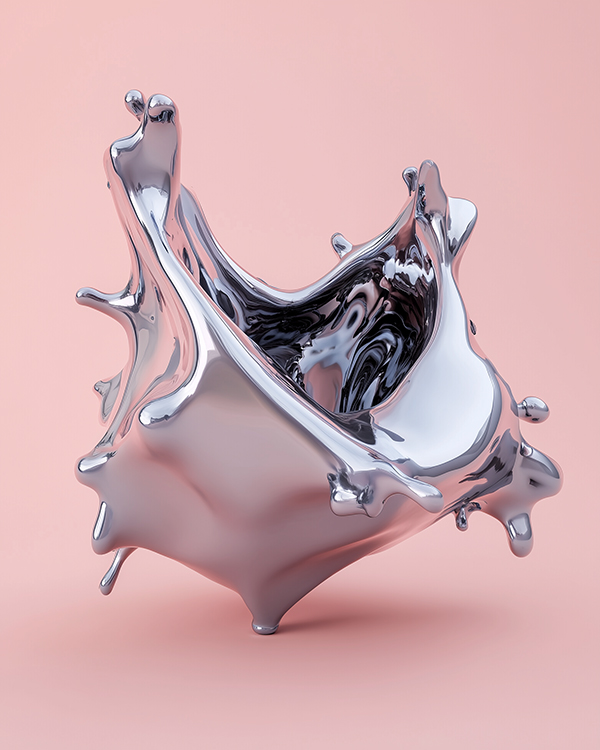
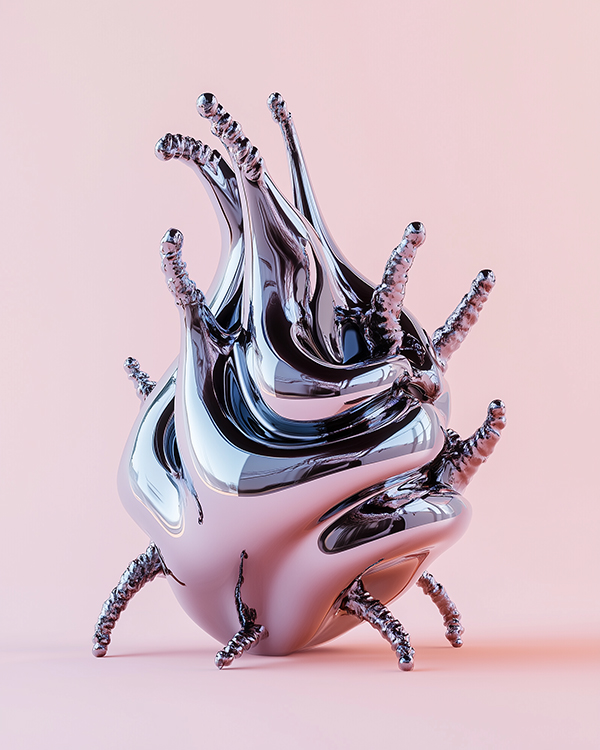
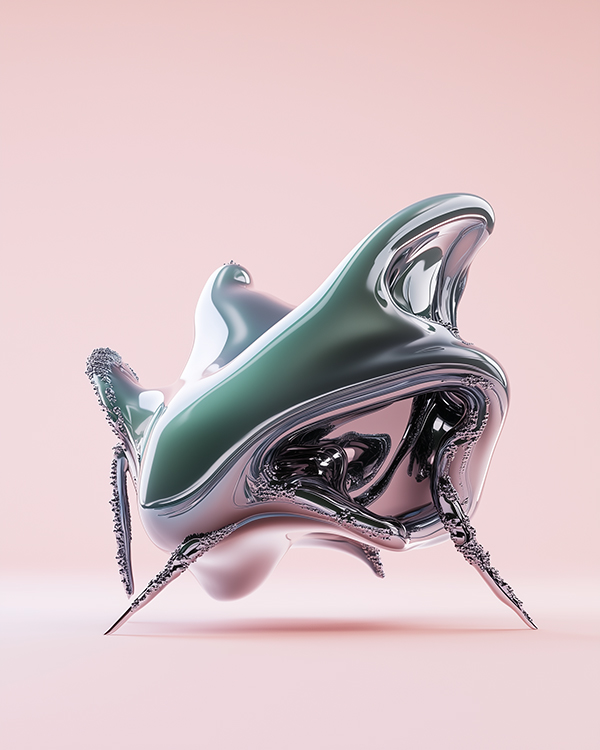
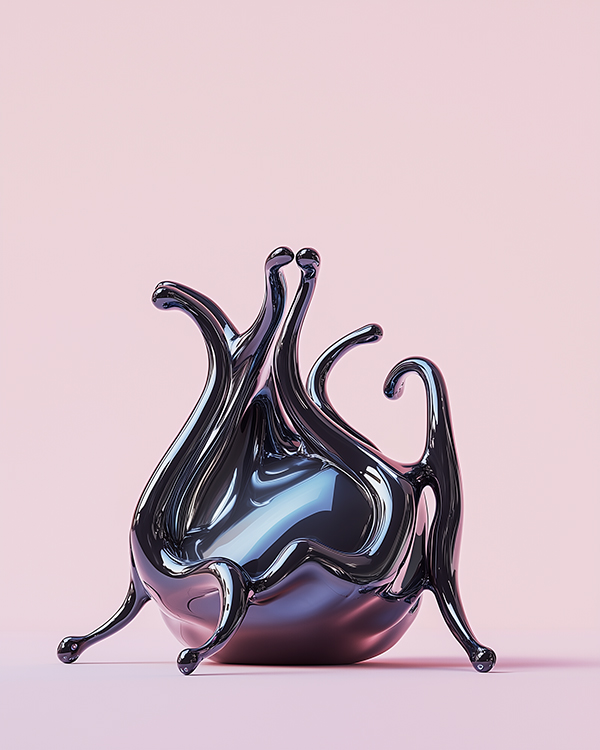
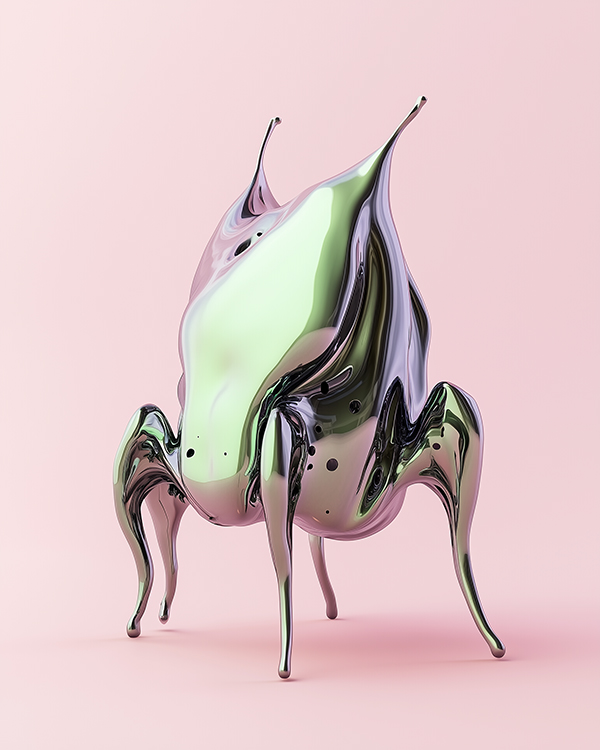
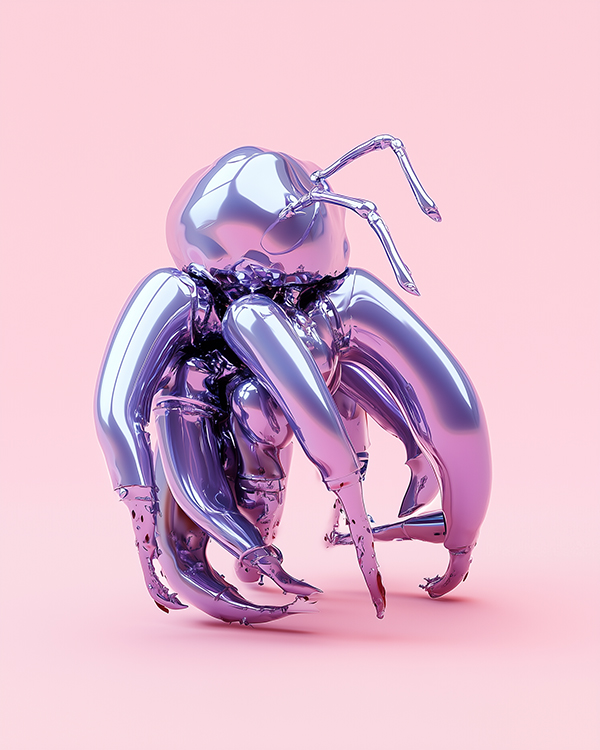
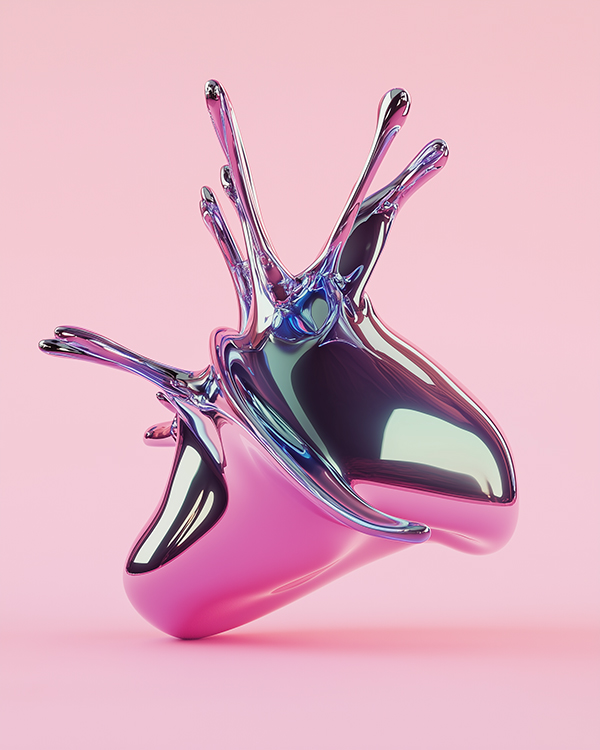
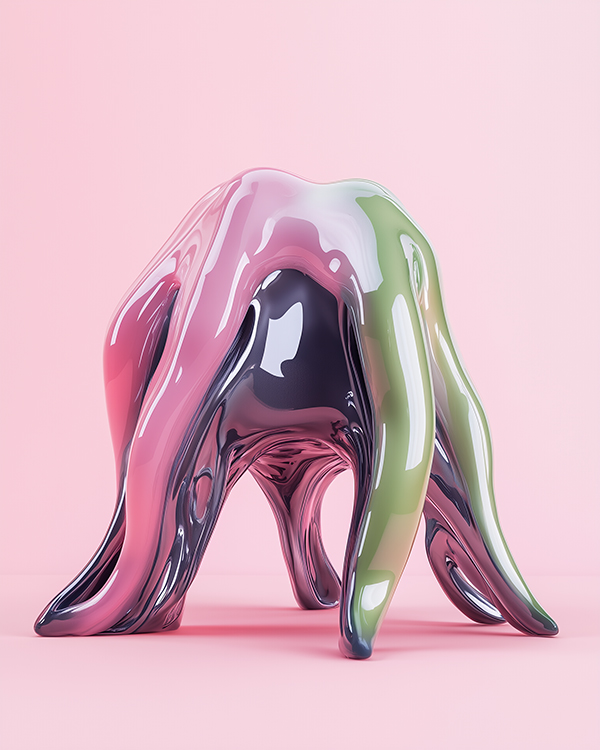

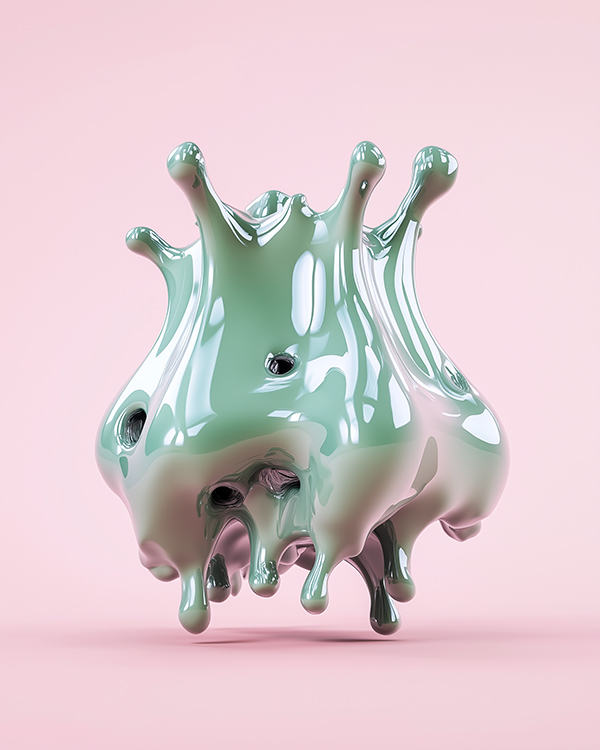
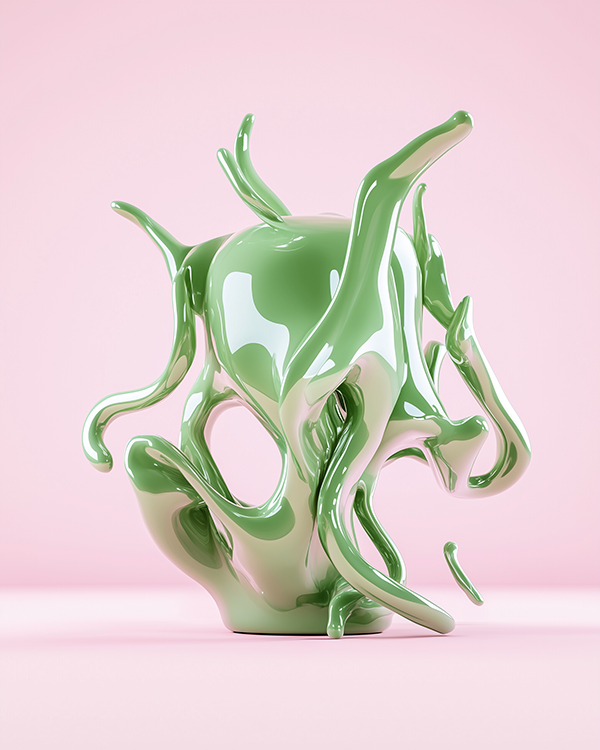
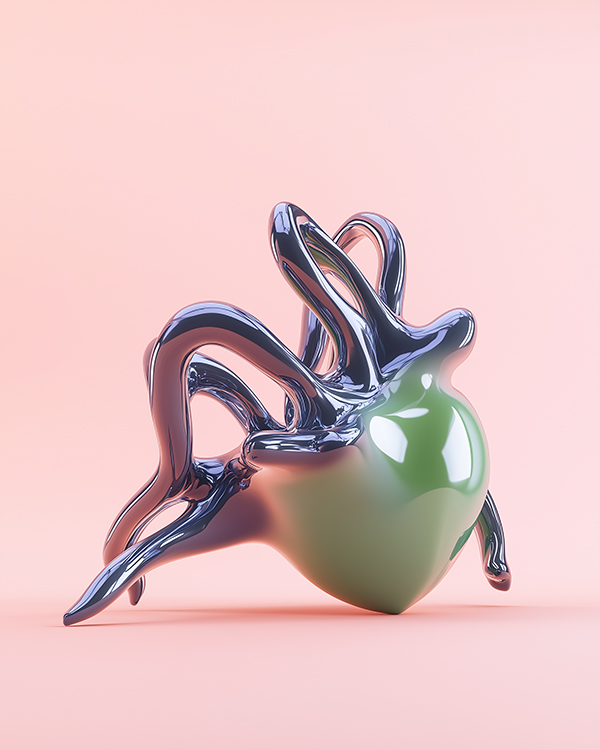
• 120 generations
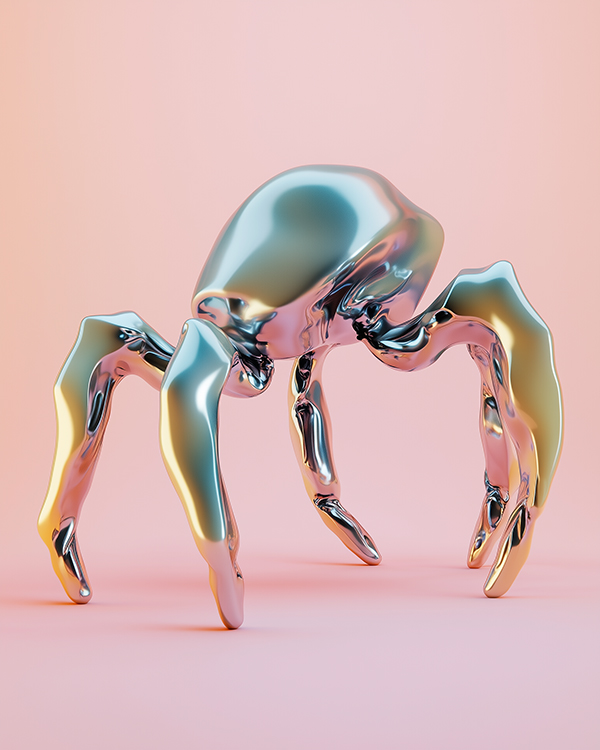
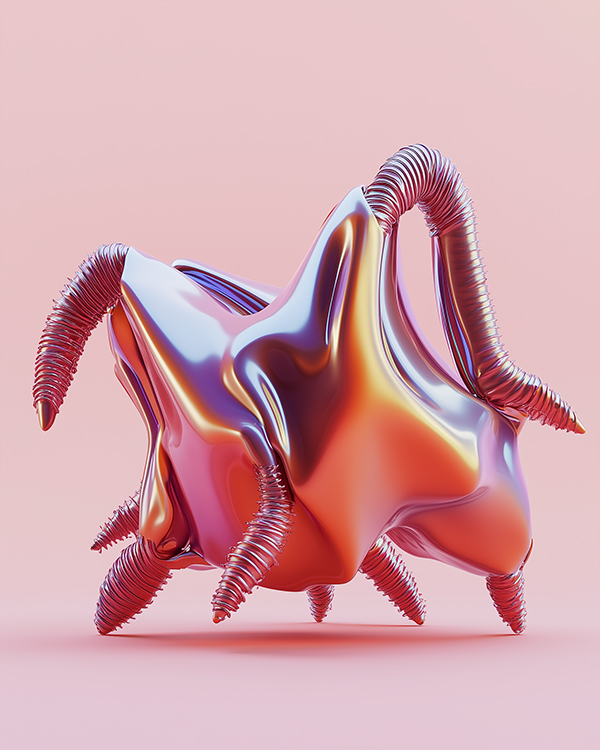
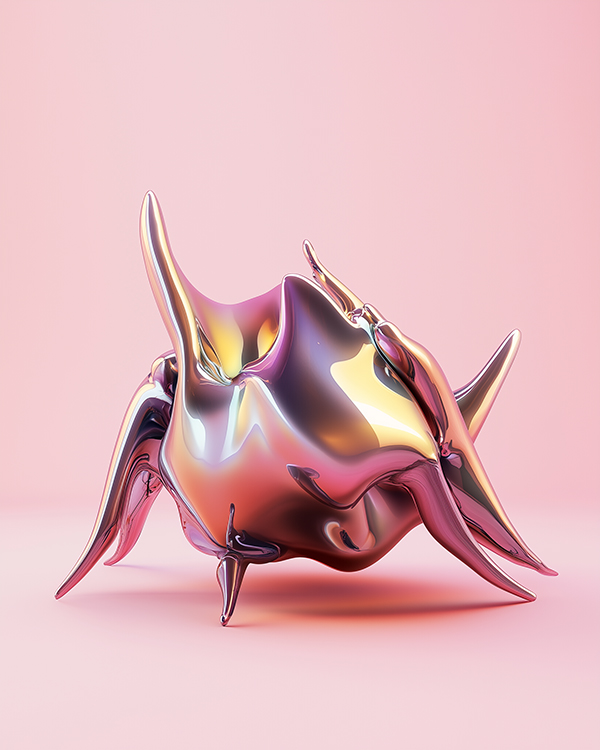
• after another hue variation, the organism shifts toward a more threatening, more terrestrial state
• sharper legs or covered with striations, more defensive postures
• hypothesis: the color variable influences the characteristics developed; the choice of warning colors, yellow and red, may have led the organism toward predation
• I inject them into the training nonetheless
the idea that development might slip away from me crosses my mind
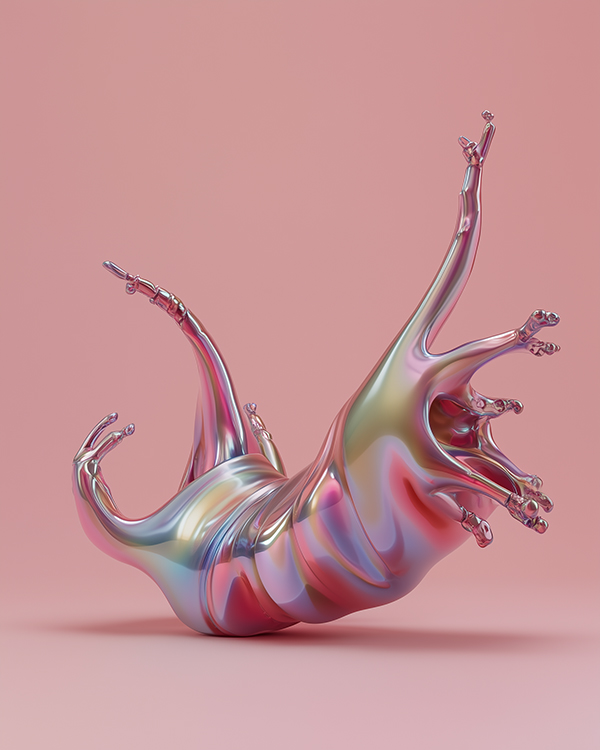

• 120 new generations
I made a mistake by injecting the predatory evolutions into the training; no matter what I do, the organism stagnates in this state
• I decide to end the experiment by injecting the initial material directly into the prompt
• the organism gradually retracts and regresses until it returns to its original form

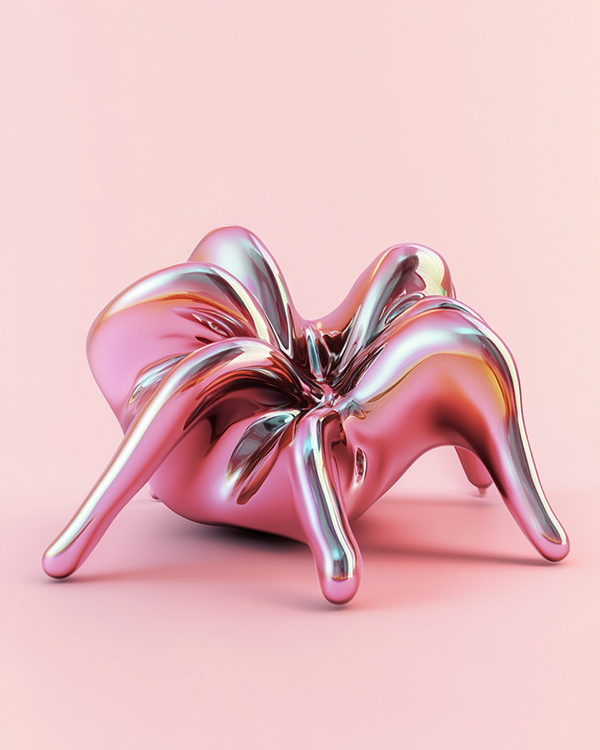
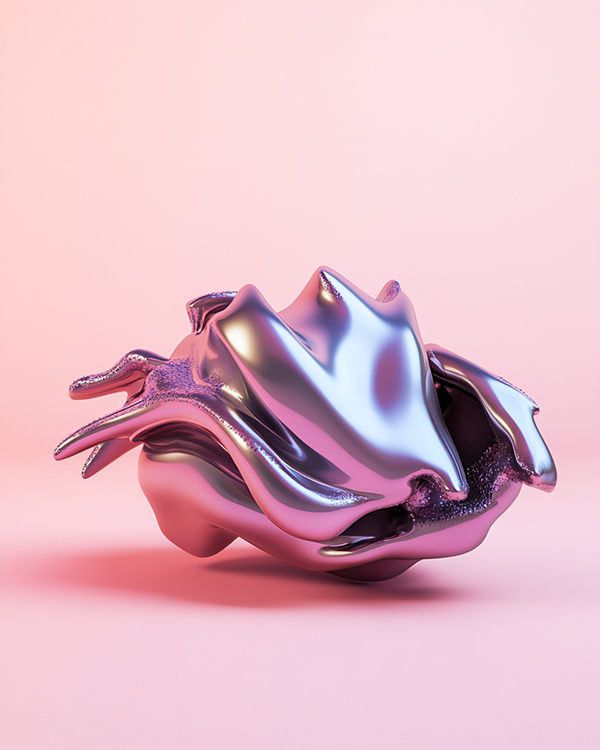
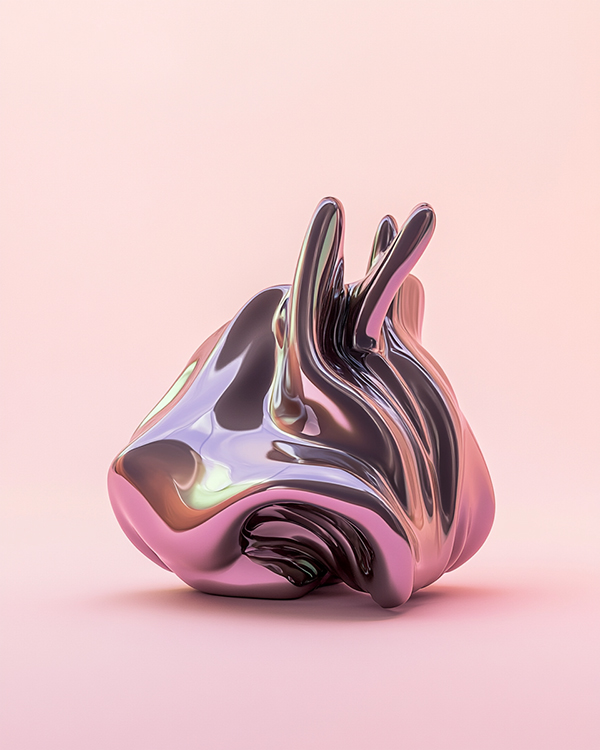
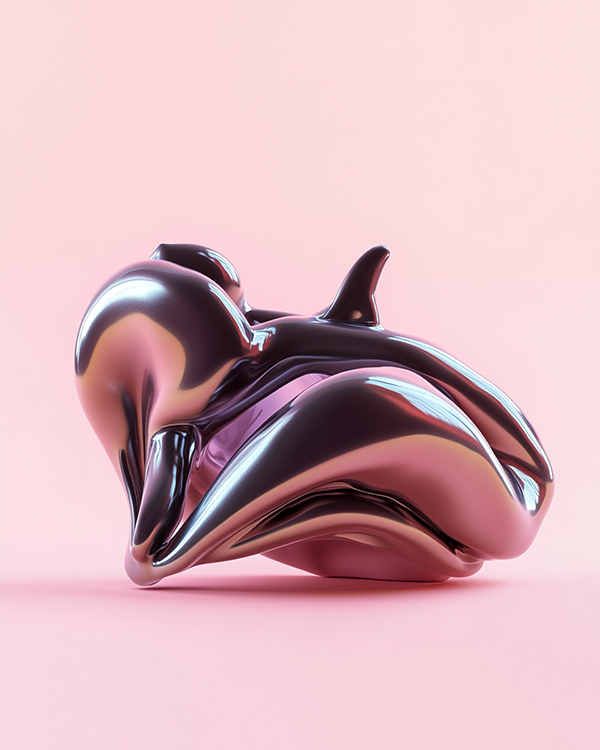

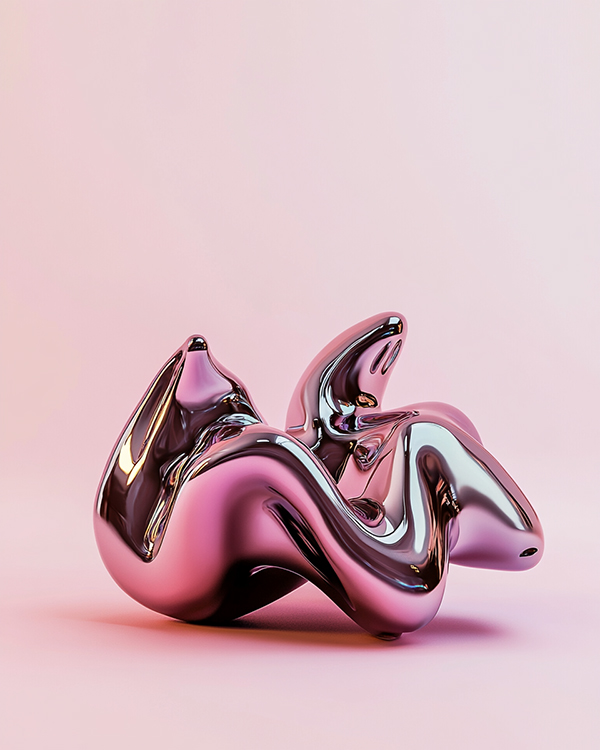
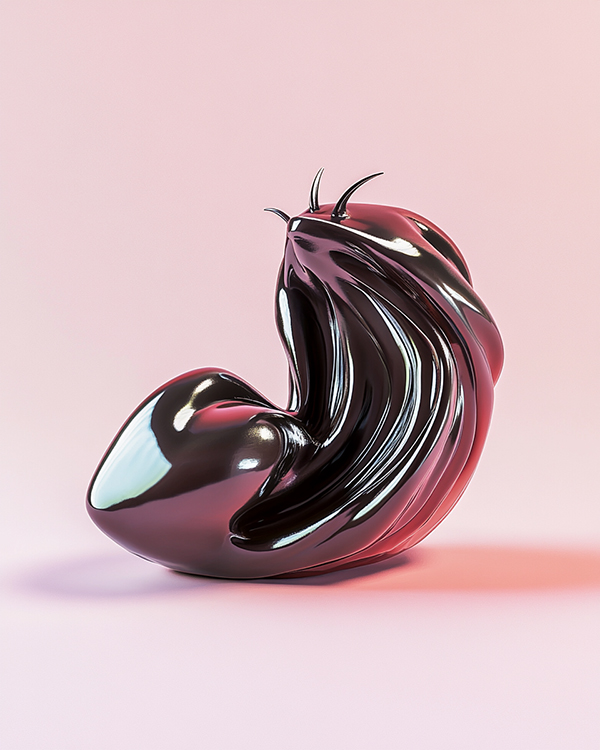
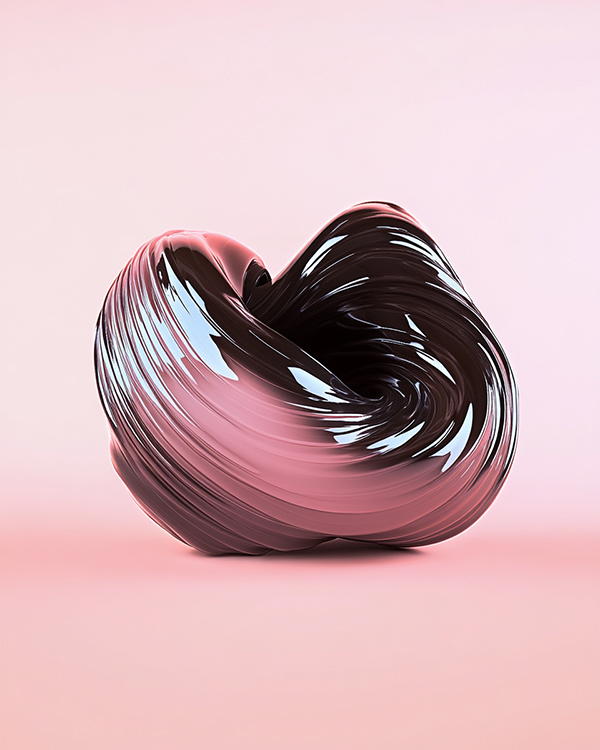
Final Summary: a very unsettling feeling at the end of this experiment. To the initial question — whether iterations could give rise to a form of evolution — the answer is obviously yes. However, I struggle to distinguish what comes from my intervention and what stems from the machine’s creativity, as well as the difference between statistics and causality. If the prompt is like the environment and the training like the genetic heritage, then it does seem that the first hints of causality are present (blue leads to maritime development, maritime forms to claws, etc.). Variations in the environment alone (prompt) are not enough to generate creativity if the genetics are not diverse (training): the organism becomes sterile. Conversely, with a sufficiently rich training base, there exist prompts that allow for an infinite number of creative variations. The search for these conditions might deserve further study. I will keep the DNA of the primitive organism.